







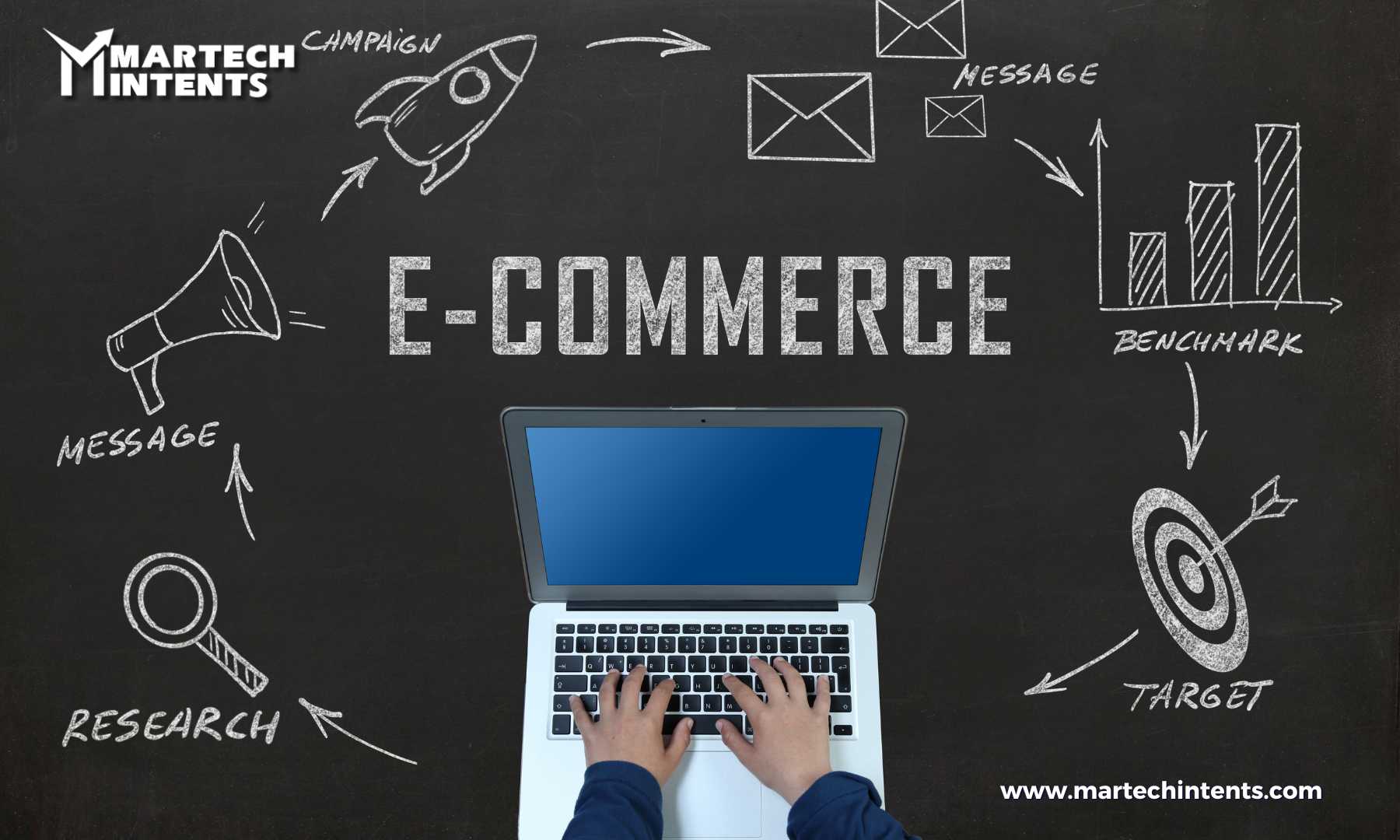
eCommerce brands operate in a highly competitive digital environment where customers expect fast experiences, relevant recommendations, convenient communication, and seamless buying journeys. At the same time, marketing teams need to manage campaigns, customer data, analytics, content, automation, and multiple digital channels.
This is where Martech for eCommerce brands becomes important.
Marketing technology, commonly called MarTech, brings together software and platforms that help eCommerce businesses attract visitors, understand customer behavior, personalize experiences, automate marketing activities, and measure campaign performance.
A modern eCommerce MarTech stack can include CRM platforms, customer data platforms, marketing automation software, analytics solutions, SEO tools, email platforms, advertising technology, and conversion optimization tools. These systems can work individually or connect with one another to create a more coordinated customer journey.
What Is Martech for eCommerce?
Martech for eCommerce refers to the collection of marketing technologies used to manage and improve digital commerce activities.
Instead of relying on spreadsheets, manual campaigns, and disconnected systems, eCommerce teams can use MarTech to organize customer information, automate repetitive tasks, monitor campaign results, and create more relevant interactions.
For example, a customer who visits a product page but does not purchase could enter an automated journey. Depending on the available data and consent, the brand might send a reminder through email or another permitted channel, recommend related products, or show relevant content when the customer returns.
The objective is not simply to add more software. The goal is to connect technology with marketing processes and customer needs.
Why eCommerce Brands Need MarTech
As an online store grows, managing every customer interaction manually becomes increasingly difficult. MarTech can help teams handle larger volumes of customer data and marketing activity while maintaining a more consistent experience.
1. Better Customer Understanding
Analytics and customer-data technologies can help marketers understand how shoppers interact with a website.
Teams can analyze activities such as:
- Product views
- Search behavior
- Cart activity
- Purchases
- Repeat orders
- Campaign interactions
- Customer segments
- Website engagement
Google Analytics, for example, supports eCommerce measurement that can capture product views, purchases, and shopping interactions when the appropriate ecommerce events are configured.
2. Personalized Customer Experiences
Personalization allows brands to tailor experiences according to customer behavior and available data.
Examples include:
- Product recommendations
- Personalized email campaigns
- Behavior-based offers
- Relevant content
- Customer-specific product suggestions
- Customized landing pages
Modern commerce platforms increasingly combine customer data with AI and automation to support personalized shopping experiences.
3. Marketing Automation
Marketing automation reduces the need to manually manage repetitive customer journeys.
Common eCommerce automation workflows include:
- Welcome campaigns
- Abandoned-cart messages
- Browse-abandonment campaigns
- Post-purchase communication
- Cross-sell campaigns
- Review requests
- Re-engagement campaigns
- Loyalty communication
Automation can help marketing teams respond to customer behavior at the appropriate stage of the buying journey.
4. More Efficient Campaign Measurement
Without reliable analytics, it can be difficult to understand which campaigns are contributing to business results.
MarTech platforms can bring together information about traffic, engagement, conversions, customer behavior, and campaign performance. This gives marketing teams a stronger foundation for making data-informed decisions.
Essential MarTech Tools for eCommerce Brands
A useful eCommerce MarTech stack usually contains several technology categories rather than one single platform.
1. eCommerce Platform
The eCommerce platform is the foundation of the digital store.
It manages important functions such as:
- Product catalogs
- Shopping carts
- Checkout
- Payments
- Storefront management
- Orders
- Customer information
- Integrations
Platforms such as Shopify provide commerce functionality alongside marketing, analytics, and integrations that can support growing online businesses.
2. CRM Software
A Customer Relationship Management system helps businesses organize customer and prospect information.
For eCommerce brands, CRM technology can support:
- Customer profiles
- Interaction history
- Segmentation
- Sales activity
- Customer lifecycle management
- Retention campaigns
CRM data becomes particularly useful when it can be connected with marketing and commerce systems.
3. Customer Data Platform
A Customer Data Platform, or CDP, helps bring customer information from different sources into unified profiles.
An eCommerce customer may interact with a brand through a website, email, mobile device, social platform, customer service channel, and physical store.
Connecting these signals can provide marketers with a broader view of customer behavior and support more relevant segmentation and personalization.
4. Email and SMS Marketing Platforms
Email and SMS platforms allow eCommerce brands to communicate with customers at different stages of the customer journey.
Useful capabilities include:
- Audience segmentation
- Automated workflows
- Personalized messaging
- A/B testing
- Campaign reporting
- Customer lifecycle campaigns
Platforms such as Mailchimp and Klaviyo are commonly used for ecommerce marketing activities, including automated communication and customer segmentation.
5. Marketing Automation Software
Marketing automation connects customer behavior with predefined marketing actions.
For example:
Customer views product → leaves website → receives permitted follow-up communication → returns to store → purchases → enters post-purchase journey
Automation can make these journeys easier to manage at scale.
The most useful automation strategy depends on the brand’s products, customer journey, channels, audience, and existing technology stack.
6. Analytics and Reporting Tools
Analytics tools help marketers understand what happens before, during, and after a purchase.
Important measurements can include:
- Traffic sources
- Product views
- Add-to-cart activity
- Checkout activity
- Purchases
- Conversion rate
- Customer acquisition cost
- Revenue
- Repeat purchases
- Customer lifetime value
Google Analytics provides dedicated eCommerce measurement capabilities for tracking shopping interactions and purchases when properly configured.
7. SEO and Content Tools
Organic search remains an important acquisition channel for many eCommerce brands.
SEO and content tools can help marketers research search terms, optimize product and category pages, identify content opportunities, and monitor organic performance.
A strong eCommerce SEO strategy can cover:
- Product pages
- Category pages
- Buying guides
- Comparison content
- Educational articles
- FAQs
- Internal linking
- Technical SEO
8. Conversion Rate Optimization Tools
Getting visitors to an online store is only one part of the customer journey.
Conversion rate optimization tools help marketers understand how visitors interact with pages and identify opportunities to improve the buying experience.
Common capabilities include:
- A/B testing
- Heatmaps
- Session analysis
- User feedback
- Landing-page testing
- Conversion tracking
These insights can help teams identify friction in navigation, product discovery, checkout, and other parts of the customer journey.
9. Personalization Technology
Personalization tools use available customer and behavioral information to deliver more relevant experiences.
Examples include:
- Related product recommendations
- Personalized offers
- Dynamic website content
- Behavior-based messaging
- Personalized product discovery
Personalization becomes more effective when the underlying customer data is accurate and connected across the relevant systems.
10. Advertising and Campaign Platforms
Paid advertising technology helps eCommerce brands reach potential customers across search, social, display, and other digital channels.
The MarTech stack can connect advertising data with analytics and customer information to help marketers understand campaign performance and customer acquisition.
How MarTech Can Support eCommerce Growth
MarTech does not automatically create growth. Its value comes from how effectively technology, data, people, and marketing processes work together.
Acquire More Relevant Traffic
SEO, advertising, content marketing, and social media technologies can help brands reach potential customers through multiple digital channels.
Improve Customer Engagement
Email, SMS, personalization, and automation tools can help brands maintain communication throughout the customer journey.
Encourage Repeat Purchases
Post-purchase automation, recommendations, loyalty campaigns, and customer segmentation can support ongoing customer relationships.
Make Better Data-Informed Decisions
Analytics platforms can help marketing teams understand which activities generate traffic, engagement, conversions, and revenue.
Reduce Manual Work
Automation can handle repetitive workflows, allowing marketing teams to spend more time on strategy, creative development, testing, and customer experience.
How to Build an eCommerce MarTech Stack
Building a MarTech stack does not mean purchasing every available tool.
Start with the business requirements.
Step 1: Map the Customer Journey
Identify the major stages:
Awareness → Discovery → Consideration → Purchase → Post-Purchase → Retention
Then identify the technology needed at each stage.
Step 2: Identify Data Sources
Determine where customer and marketing information currently exists.
This could include:
- eCommerce platform
- CRM
- Analytics platform
- Email platform
- Advertising platforms
- Customer service system
- Social media channels
Step 3: Find Integration Requirements
Check whether the selected platforms can exchange the data your marketing processes require.
Poorly connected systems can create fragmented customer information and duplicate work.
Step 4: Automate High-Value Processes
Begin with workflows that are repetitive and closely connected to customer activity.
For example:
- Welcome journeys
- Cart recovery
- Post-purchase communication
- Customer re-engagement
- Product recommendations
Step 5: Measure Results
Track meaningful business and customer metrics rather than simply counting the number of tools being used.
Common MarTech Mistakes eCommerce Brands Should Avoid
Using Too Many Disconnected Tools
Adding more software does not necessarily improve marketing performance.
A large number of disconnected platforms can create data silos and increase operational complexity.
Ignoring Data Quality
Personalization and automation depend on reliable customer information.
Incorrect, duplicated, or outdated data can lead to irrelevant communication.
Automating Everything
Automation should support the customer experience rather than replace thoughtful marketing.
Some campaigns require human creativity, testing, and judgment.
Focusing Only on Acquisition
Acquiring new customers is important, but eCommerce brands should also consider retention, repeat purchases, and customer lifetime value.
Measuring Vanity Metrics
Impressions, clicks, and followers can provide useful context, but they should not be the only measurements used to evaluate marketing activity.
The Future of MarTech for eCommerce
The eCommerce MarTech landscape is increasingly moving toward connected data, automation, AI, and personalized customer experiences.
AI-powered commerce systems can use customer preferences, product information, and behavioral data to support product discovery and more natural shopping interactions.
At the same time, connected marketing and commerce platforms are bringing customer profiles, campaigns, analytics, and digital experiences closer together.
For eCommerce brands, the focus should therefore move beyond simply collecting tools. The larger opportunity is building a connected technology ecosystem that supports the complete customer journey.
Conclusion
Martech for eCommerce brands provides the technology foundation for managing customer data, marketing automation, personalization, analytics, SEO, advertising, and conversion optimization.
The right stack will differ from one brand to another. A small eCommerce business may need a simpler combination of an online store, analytics, email automation, and CRM, while a larger organization may require connected customer data, advanced automation, personalization, and enterprise analytics.
The key is to choose technology based on actual business requirements, customer journey needs, integration capabilities, data quality, and measurable marketing objectives.
When technology and marketing strategy work together, MarTech can help eCommerce teams create more connected customer experiences and manage growth more efficiently.
Frequently Asked Questions
What is MarTech for eCommerce brands?
MarTech for eCommerce brands includes technologies that help online businesses manage customer data, automate marketing, personalize experiences, track performance, and improve sales.
What MarTech tools do eCommerce brands need?
Common tools include CRM platforms, marketing automation software, analytics tools, customer data platforms, email marketing platforms, SEO tools, and conversion optimization solutions.
How can MarTech help eCommerce brands grow?
MarTech can help eCommerce brands understand customer behavior, automate campaigns, personalize interactions, improve conversions, measure marketing performance, and support customer retention.
How should eCommerce brands choose MarTech tools?
eCommerce brands should consider their marketing goals, customer journey, data requirements, integrations, budget, scalability, and the specific processes they want to improve.