








Marketing technology is changing rapidly in 2026. From artificial intelligence and automation to customer data and personalization, new technologies are changing how businesses attract, engage, and retain customers.
Modern marketers are no longer using technology only to automate repetitive tasks. They are using Martech to understand customer behavior, connect data across platforms, improve campaigns, and create more relevant customer experiences.
As marketing channels continue to evolve, businesses need to understand which Martech trends are actually shaping the industry.
In this article, we explore seven important Martech trends transforming marketing in 2026 and explain what they mean for modern marketing teams.
1. Agentic AI Is Changing Marketing Automation
Artificial intelligence has already become an important part of marketing, but 2026 is bringing a stronger focus on agentic AI.
Unlike traditional automation, which generally follows predefined rules, AI agents can analyze information, complete multiple steps, and support decisions within specific boundaries.
For example, an AI-powered marketing system could monitor campaign performance, identify changes in customer engagement, recommend adjustments, and trigger approved actions.
This can help marketing teams reduce repetitive work and spend more time on strategy and creative planning.
However, human oversight remains important. Marketers still need to establish goals, review important decisions, protect brand standards, and make sure AI-generated actions align with business objectives.
Why Agentic AI Matters
- Automates complex marketing workflows
- Helps teams respond to customer signals faster
- Supports campaign optimization
- Reduces repetitive manual tasks
- Allows marketers to focus more on strategy
Agentic AI is therefore becoming an important part of the conversation around the future of marketing automation.
2. Unified Customer Data Is Becoming Essential
Customer information is often spread across multiple systems, including CRM platforms, websites, advertising tools, email platforms, analytics software, and customer service applications.
When these systems operate separately, marketers may struggle to create a complete view of the customer.
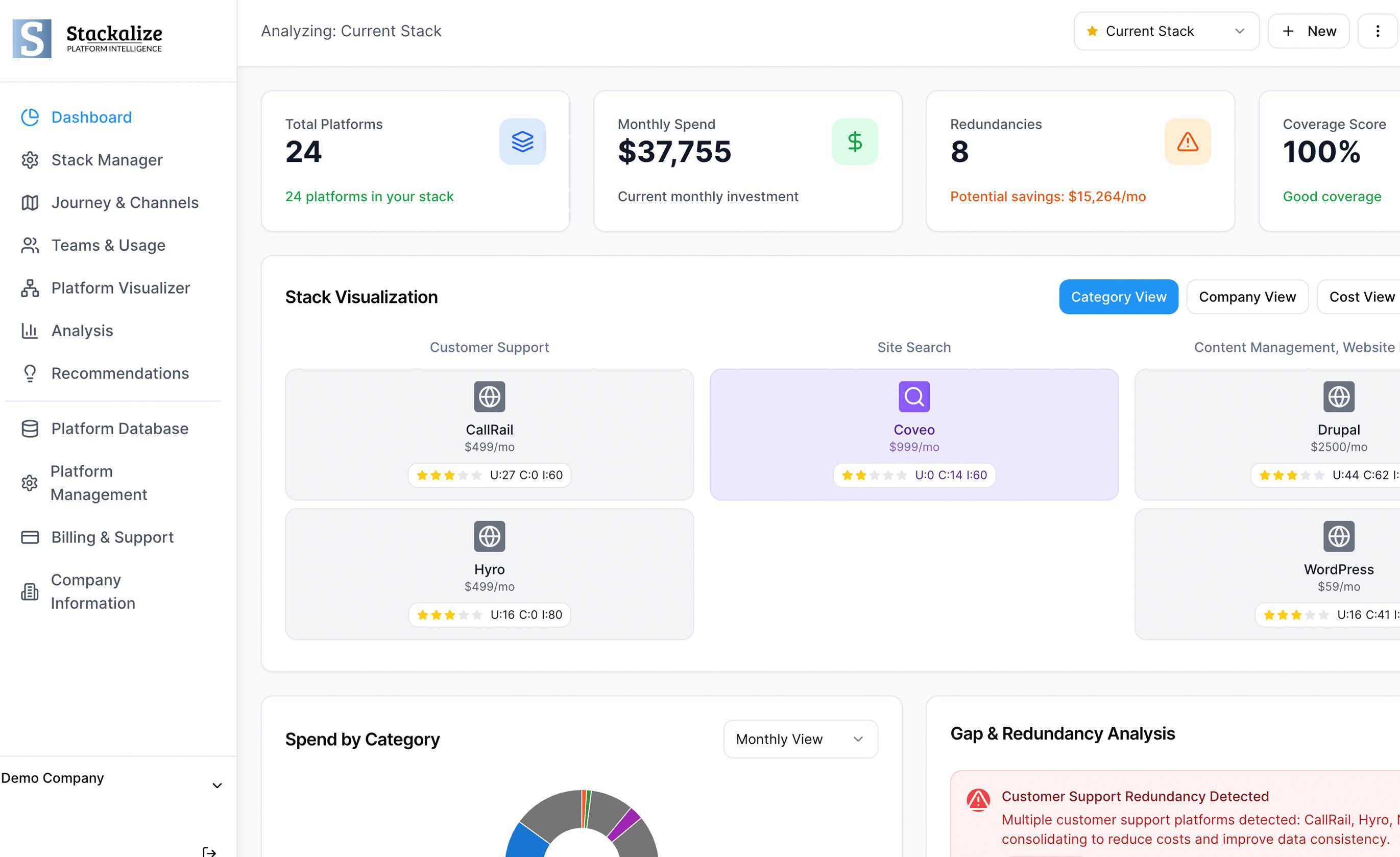
One of the important Martech trends in 2026 is the growing focus on connecting customer data across platforms.
Technologies such as Customer Data Platforms (CDPs), CRM systems, data warehouses, and integration platforms can help businesses bring information together.
A unified data environment can make it easier to understand customer behavior and create more consistent experiences across different channels.
Benefits of Unified Customer Data
- Better customer insights
- More consistent customer profiles
- Improved personalization
- Stronger campaign measurement
- Better coordination between marketing channels
The quality of the data also matters. AI and automation cannot deliver reliable results when the information they depend on is incomplete, outdated, or inconsistent.
3. Personalization Is Becoming More Contextual
Personalization has been part of digital marketing for years, but it is becoming more sophisticated.
Adding a customer’s name to an email is no longer enough. Modern marketing platforms can consider browsing behavior, previous interactions, purchase history, content engagement, and other customer signals.
This allows marketers to create experiences that are more relevant to a customer’s current situation.
For example, a customer who repeatedly views a particular product category may receive content related to that interest instead of receiving the same message as every other website visitor.
What Modern Personalization Focuses On
- Customer behavior
- Purchase history
- Content interests
- Engagement patterns
- Real-time interactions
- Customer preferences
The objective is not simply to collect more customer information. It is to use relevant information responsibly to make marketing more useful.
4. AI Is Transforming Search and Content Discovery
Search behavior is changing as people increasingly interact with AI-powered search experiences and conversational assistants.
This creates new opportunities and challenges for marketers.
Traditional SEO remains important, but businesses also need content that can be easily understood, summarized, and surfaced across different digital environments.
High-quality content should provide clear answers, demonstrate expertise, and offer genuine value instead of simply repeating keywords.
Important Content Priorities in 2026
- Create original and useful content
- Answer specific customer questions
- Build topical authority
- Use clear headings and structure
- Provide trustworthy information
- Keep brand information consistent
This means marketers need to think about search visibility beyond traditional search results.
Content should be created for people first while also using a structure that makes information easier for modern search and AI systems to understand.
5. Privacy-First Marketing Is Growing
As marketing technology becomes more advanced, responsible data management is becoming increasingly important.
Customers want to know how their information is collected and used. At the same time, businesses need reliable data to create personalized experiences.
This is increasing interest in first-party and zero-party data.
First-party data comes directly from interactions between a customer and a business. Zero-party data is information that customers intentionally provide, such as preferences or interests.
Privacy-First Marketing Includes
- Transparent data collection
- Clear consent practices
- Responsible data storage
- Strong data governance
- Appropriate use of customer information
- Greater focus on first-party data
Privacy should not be treated as something added after a Martech system is implemented. It should be considered when businesses design their data and marketing processes.
6. Martech Stacks Are Becoming More Connected
Marketing teams now use many different technologies.
A typical Martech stack may include:
- CRM software
- Email marketing platforms
- Marketing automation
- Analytics tools
- Advertising platforms
- Content management systems
- Customer experience platforms
- AI tools
- Data platforms
Having many tools does not automatically create a better marketing operation.
The bigger priority is making those systems communicate effectively.
For example, customer information collected through a website should ideally be available to the appropriate CRM, automation, analytics, and customer experience systems.
Why Martech Integration Matters
Connected systems can help businesses:
- Reduce duplicated work
- Improve data consistency
- Create smoother workflows
- Understand customer journeys
- Improve reporting
- Support better decision-making
In 2026, the strength of a Martech stack is increasingly determined by how well its components work together, rather than simply how many tools it contains.
7. Marketing Is Moving Toward Continuous Optimization
Marketing has traditionally followed a campaign-based approach.
Teams plan a campaign, launch it, collect results, and analyze performance afterward.
Modern Martech is helping create a more continuous approach.
Marketing teams can monitor customer interactions and campaign performance more frequently and use those insights to make adjustments.
For example, marketers can identify which content receives stronger engagement, which audience segments are responding, and where customers are dropping out of a journey.
Continuous Optimization Can Help Marketers
- Identify performance changes faster
- Improve customer journeys
- Test different content
- Refine audience segments
- Improve campaign performance
- Make decisions using current data
Analytics is therefore becoming more than a reporting function. It is increasingly becoming part of everyday marketing decision-making.
How These Martech Trends Are Changing Marketing
The major change in 2026 is not simply the arrival of new marketing software.
Instead, different technologies are becoming increasingly connected.
AI + Data + Automation + Analytics + Customer Experience are working together to create more intelligent marketing operations.
For businesses, this means choosing technology based on clear marketing goals rather than adopting every new tool that enters the market.
A strong Martech strategy should consider:
- Business objectives
- Customer needs
- Data quality
- Technology integration
- Privacy requirements
- Automation opportunities
- Measurement and analytics
This approach can help marketing teams build a technology ecosystem that supports long-term growth.
What Should Marketers Focus on in 2026?
Marketers do not need to adopt every emerging technology immediately.
Instead, they can start by identifying the biggest gaps in their current marketing operations.
Ask questions such as:
- Is our customer data connected?
- Are repetitive marketing tasks being automated?
- Can our existing tools communicate with each other?
- Are we using customer data responsibly?
- Can our content be discovered across modern search experiences?
- Are we measuring customer journeys effectively?
- Where could AI improve productivity?
The answers can help determine which Martech investments deserve attention.
Conclusion
The Martech landscape in 2026 is becoming more connected, intelligent, and customer-focused.
Agentic AI, unified customer data, contextual personalization, AI-powered search, privacy-first marketing, connected Martech stacks, and continuous optimization are all influencing how modern marketing teams operate.
The goal should not be to collect as many marketing tools as possible. Instead, businesses should focus on creating a connected technology ecosystem that supports their customers, marketing teams, and broader business objectives.
As Martech continues to evolve, marketers who understand these trends can make more informed decisions about technology, data, automation, and customer experience.
The future of marketing technology is not just about using more technology. It is about using the right technology in smarter and more connected ways.
Frequently Asked Questions
1. What are the major Martech trends shaping marketing in 2026?
Major Martech trends include AI-powered marketing, automation, hyper-personalization, first-party data, advanced analytics, and connected marketing platforms.
2. How is AI changing Martech in 2026?
AI is helping marketers automate repetitive tasks, analyze customer data, personalize campaigns, create content, and make faster data-driven decisions.
3. Why is first-party data important for Martech in 2026?
First-party data helps businesses understand their customers directly, support personalized marketing, and reduce dependence on third-party data.
4. How can businesses adapt to new Martech trends?
Businesses can adapt by evaluating their Martech stack, adopting useful AI and automation tools, improving data management, and measuring campaign performance.