







Personalization has become an important part of modern digital marketing. Customers receive product recommendations based on their interests, emails tailored to their shopping habits, and advertisements related to their recent searches. When done well, these experiences make it easier for people to find information, discover useful products, and connect with brands that understand their needs.
However, personalization does not always create a positive experience. Sometimes, a brand seems to know too much. A customer might search for a product once and then see advertisements for it across several websites. Another person might receive an email that refers to an interest they never intentionally shared with a company. Instead of feeling understood, customers may feel watched.
This creates an important challenge for marketers: how can businesses deliver relevant experiences without making customers uncomfortable?
The answer is not to eliminate personalization. It is to make it more thoughtful, transparent, and respectful. Finding the right balance helps businesses build stronger customer relationships while protecting the trust that makes those relationships valuable.
What Does Personalization Mean in Digital Marketing?
Personalization involves using customer information, preferences, and behavior to make marketing messages and digital experiences more relevant to individual people.
For example, an online store might recommend products related to a customer’s previous purchases. A marketing platform might send an email featuring content based on topics a subscriber has chosen to follow. A website might display different recommendations depending on the visitor’s interests.
Marketing technology makes these experiences possible through customer relationship management (CRM) platforms, customer data platforms (CDPs), analytics tools, and marketing automation systems.
The goal is straightforward: deliver useful information instead of treating every customer exactly the same way.
But relevance alone is not enough. Businesses must also consider how the information was collected, whether the customer expects it to be used, and whether the resulting experience feels helpful rather than intrusive.
When Personalization Starts Feeling Intrusive
Personalization becomes a problem when the experience crosses the line between convenience and discomfort. This can happen in several ways.
1. Advertising That Follows Customers Everywhere
Imagine someone researching a pair of running shoes. They visit an online store, compare a few products, and leave without making a purchase. During the next several days, the same shoes appear on news websites, social media feeds, and unrelated online platforms.
A reminder advertisement may be useful initially. However, repeated exposure can quickly become irritating.
Marketers should consider how frequently advertisements appear, how long retargeting continues, and whether customers have already completed the intended action. Advertising should support a buying decision, not make people feel as though they cannot escape a brand.
2. Using Personal Information Without Clear Expectations
Customers may share their email addresses to receive updates, but that does not automatically mean they expect every available detail about their online behavior to influence future messages.
Problems arise when companies combine information from different sources without making their practices understandable.
For instance, a customer who receives an unexpectedly specific promotional message may wonder how the company obtained the information. Even when the data was collected lawfully, the experience can still damage trust if its use feels surprising.
Marketers should explain what information they collect, why they need it, and how it will improve the customer’s experience.
3. Recommendations That Make Incorrect Assumptions
Personalization systems can misunderstand customer behavior. Someone researching a gift might receive advertisements for that product for weeks, even though they never intended to purchase it for themselves.
Similarly, a shared device may lead a recommendation system to confuse the interests of different household members.
These mistakes demonstrate why marketers should avoid treating every click, search, or purchase as a permanent reflection of an individual’s preferences.
4. Messages That Feel Unnaturally Personal
Using a customer’s first name in an email can make communication feel friendly. However, referring to highly specific personal circumstances without a clear reason may make the message uncomfortable.
Personalization should improve communication rather than prove how much information a company possesses.
A useful rule is to ask whether the detail makes the message genuinely more helpful. If it does not, leaving it out may be the better choice.
Why Excessive Personalization Can Hurt Customer Trust
Trust is essential to long-term customer relationships. When personalization feels intrusive, customers may begin questioning the company’s intentions and data practices.
Several consequences can follow.
Reduced engagement: Customers may ignore emails, block advertisements, unsubscribe from marketing lists, or stop interacting with personalized content.
Lower brand confidence: People may become less comfortable sharing information with a company they believe uses personal data unexpectedly.
Negative customer experiences: Repetitive recommendations and irrelevant messages can make digital interactions feel frustrating instead of convenient.
Greater privacy concerns: Customers may become more cautious about permissions, cookies, tracking technologies, and data-sharing practices.
Lost customer loyalty: Even a useful product or service may struggle to retain customers if its marketing practices make them uncomfortable.
Excessive personalization does not automatically lead to these outcomes, but it increases the risk of creating an experience that customers do not welcome.
How Marketers Can Find the Right Balance
The most effective personalization strategy focuses on customer value, not on using as much available data as possible.
1. Collect Only the Information You Actually Need
Before collecting customer information, marketers should identify the purpose behind it.
If an email subscriber wants updates about marketing technology, the company may only need an email address and the topics the subscriber chooses to follow. Collecting unrelated behavioral details may add complexity without improving the experience.
A data-minimization approach helps reduce unnecessary collection and encourages more responsible marketing practices.
Businesses should also review stored information periodically and remove data that is no longer needed, subject to applicable legal and operational requirements.
2. Make Personalization Transparent
Customers should be able to understand why they are receiving a particular message or recommendation.
Clear privacy notices, understandable consent options, and accessible preference settings can make personalization feel less mysterious.
For example, a company could explain that its newsletter recommendations are based on topics selected by the subscriber. Customers should also have a straightforward way to update those preferences.
Transparency should be part of the customer experience rather than a complicated explanation hidden in lengthy legal language.
3. Give Customers Control Over Their Preferences
Not every customer wants the same level of personalization. Some appreciate product recommendations, while others prefer general offers and fewer targeted messages.
Businesses can respect these differences by offering practical controls, such as:
- Options to select preferred content categories.
- Settings for email frequency.
- Easy ways to unsubscribe from promotional messages.
- Appropriate controls for advertising and tracking preferences.
- Clear methods to review or withdraw consent where applicable.
Giving customers meaningful choices makes personalization more flexible and helps businesses avoid assuming that everyone wants the same experience.
4. Set Reasonable Limits on Marketing Frequency
Even relevant content can become annoying when it appears too often.
Marketing teams should establish frequency limits across email campaigns, push notifications, and retargeting advertisements. They should also coordinate campaigns so that different teams do not repeatedly contact the same customer without considering the overall experience.
For example, after a customer purchases a product, the business could stop acquisition advertisements for that item and move to relevant post-purchase information instead.
The objective is to make every interaction useful enough to justify the customer’s attention.
5. Use Context Instead of Making Assumptions
A customer’s behavior can provide useful signals, but those signals do not always explain the customer’s intentions.
Someone who reads an article about a marketing platform may be conducting professional research rather than planning to purchase that platform. Someone comparing products may simply be exploring available options.
Marketers should interpret behavioral information carefully and avoid making sensitive or overly confident assumptions.
Contextual personalization can be a helpful alternative. For instance, a website can recommend articles related to the page currently being read without relying heavily on an individual’s broader browsing history.
6. Review Personalization Through Customer Feedback
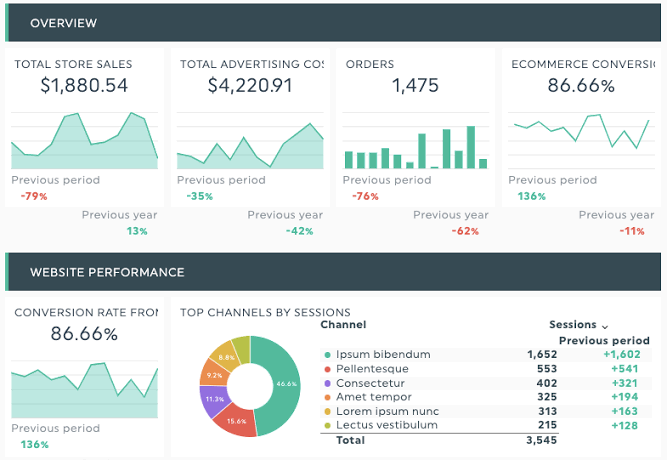
Analytics can show whether customers open emails or click recommendations, but these numbers do not reveal the entire customer experience.
A high click-through rate does not necessarily mean that customers feel comfortable with a campaign. Similarly, repeated impressions may increase visibility while reducing customer satisfaction.
Marketing teams should combine engagement data with feedback, unsubscribe rates, complaints, conversion quality, and customer retention patterns.
Testing different levels of personalization can also help identify where additional targeting stops delivering meaningful value.
The Role of Marketing Technology in Responsible Personalization
Marketing technology can help businesses deliver relevant experiences at scale, but the tools themselves do not guarantee responsible decisions.
CRM platforms can organize customer interactions. Customer data platforms can help unify information from different sources. Marketing automation tools can coordinate messages and apply campaign rules. Analytics platforms can measure how customers respond to different experiences.
When these systems operate without clear governance, however, they may contribute to duplicated messages, outdated preferences, or inappropriate targeting.
To reduce these risks, marketing teams should establish consistent data policies, maintain accurate customer records, and regularly review how information moves between platforms.
They should also ensure that consent and communication preferences are respected throughout the marketing process, rather than being handled by only one campaign or system.
Technology should help marketers make better decisions, not encourage them to personalize every possible interaction.
Measuring Personalization Beyond Clicks and Conversions
A balanced strategy measures both marketing performance and customer experience.
Useful indicators include:
- Conversion rate: Whether personalized experiences help customers complete relevant actions.
- Unsubscribe rate: Whether email communication is becoming excessive or irrelevant.
- Complaint rate: Whether customers express concerns about messaging or data use.
- Customer retention: Whether customers continue engaging with the business over time.
- Preference changes: Whether customers frequently reduce message frequency or opt out of certain communications.
- Customer satisfaction: Whether people find recommendations and messages useful.
These indicators should be evaluated together. A campaign that generates immediate sales but increases complaints or damages long-term retention may not be successful overall.
The best measurement approach considers whether personalization creates lasting value for both the customer and the business.
What Responsible Personalization Looks Like in Practice
Consider an online retailer that uses browsing activity to recommend products.
An aggressive approach might show the same advertisement repeatedly, send several promotional emails, and continue recommending an item after the customer purchases it.
A more thoughtful approach would limit repeated advertisements, consider recent purchases, respect communication preferences, and provide recommendations related to the customer’s expressed interests.
The second approach does not abandon personalization. It uses customer information more carefully and recognizes that attention and trust are valuable.
The same principle applies to B2B marketing. A business researching software may appreciate relevant industry insights, practical comparison guides, or educational resources. It may not appreciate repeated sales messages based on every page visited.
In both cases, effective personalization starts by understanding what would genuinely help the customer.
Conclusion
Personalization can make digital marketing more relevant, convenient, and valuable. However, its effectiveness depends on how thoughtfully businesses use customer information.
When marketing becomes excessively specific, repetitive, or difficult to understand, customers may begin to question the relationship. The solution is to prioritize transparency, collect only necessary information, respect individual preferences, and measure customer experience alongside campaign performance.
For modern marketing teams, the goal should not be to demonstrate how much they know about each customer. It should be to deliver the right information at the right time without crossing personal boundaries.
Ultimately, the strongest personalization strategy is one that customers recognize as helpful, understand clearly, and feel comfortable accepting.
When businesses respect these boundaries, personalization can become a foundation for lasting trust rather than a source of frustration.
Frequently Asked Questions
1. What is personalization in digital marketing?
Personalization in digital marketing involves using customer preferences, interests, and behavior to deliver relevant content, product recommendations, emails, and advertisements that improve the customer experience.
2. When does personalization become too intrusive?
Personalization becomes intrusive when customers receive excessive advertisements, encounter unexpected uses of their personal information, or feel that brands know too much about their private activities.
3. How can marketers balance personalization and customer privacy?
Marketers can balance personalization and privacy by collecting only necessary data, explaining how information is used, respecting consent, offering preference controls, and limiting repetitive marketing messages.
4. Why is responsible personalization important for businesses?
Responsible personalization helps businesses build customer trust, improve engagement, reduce unwanted marketing interactions, and create stronger long-term customer relationships while respecting individual privacy preferences.