








Personalized marketing is supposed to make customers feel understood. When a brand recommends a product based on someone’s interests or sends an email that matches their needs, the message should feel more relevant. Yet, many customers still ignore personalized emails, advertisements, product recommendations, and promotional notifications.
The problem is not always personalization itself. Sometimes, the message arrives at the wrong time, offers little value, repeats information customers already know, or feels too intrusive. Even when a company uses advanced marketing technology, its campaigns may fail if the communication does not reflect what customers actually want.
For marketers, understanding why people ignore personalized marketing messages is an important step toward building better customer relationships. Instead of sending more targeted promotions, businesses need to focus on making every interaction useful, timely, and respectful.
What Is Personalized Marketing?
Personalized marketing is an approach that uses customer information, preferences, interests, and previous interactions to create more relevant marketing experiences. Rather than sending the same message to everyone, businesses adjust their communication to different audiences or individual customers.
For example, an online retailer might recommend products based on a customer’s browsing history. A software company may send educational content related to a tool someone has explored, while an email campaign might suggest resources based on a subscriber’s interests.
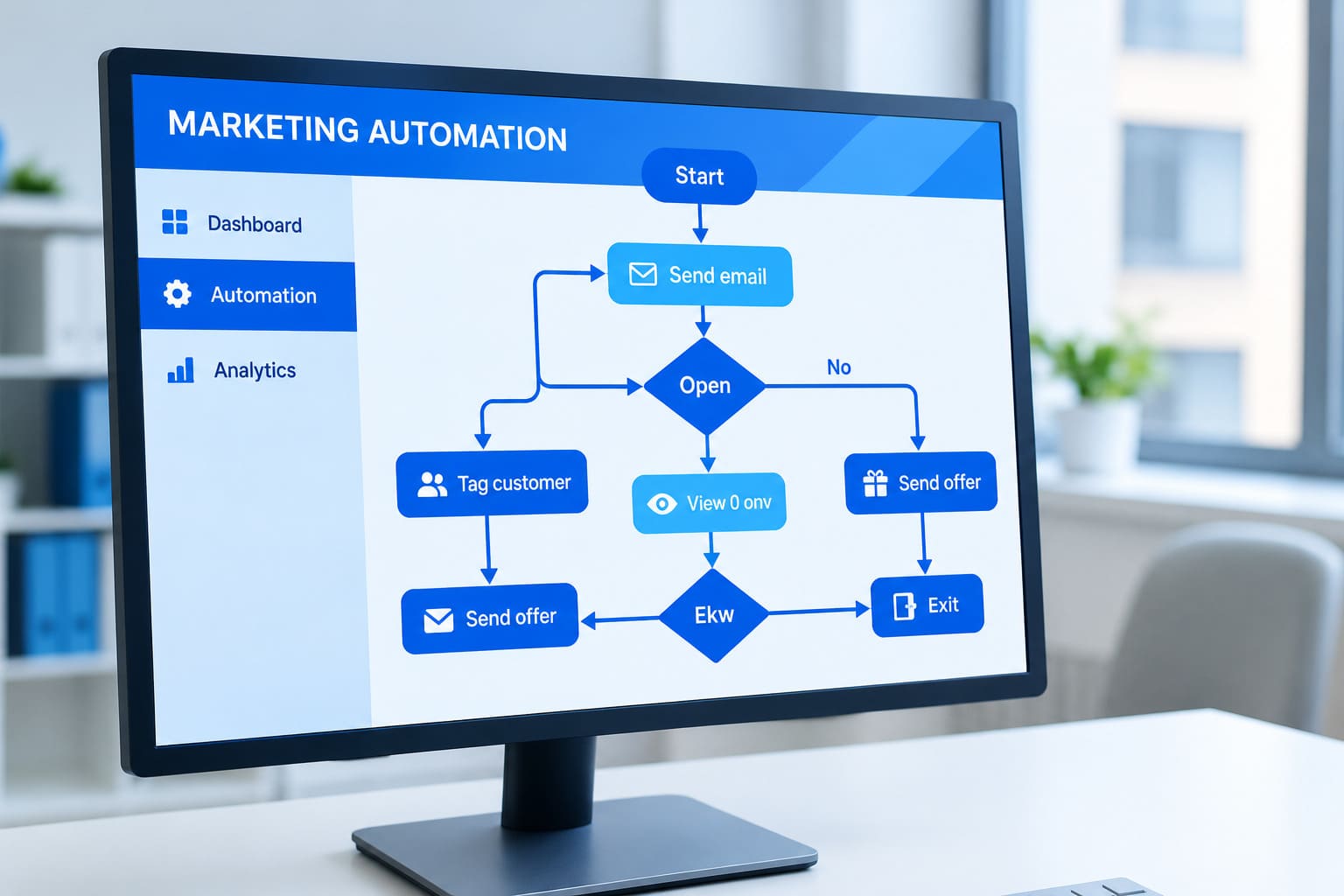
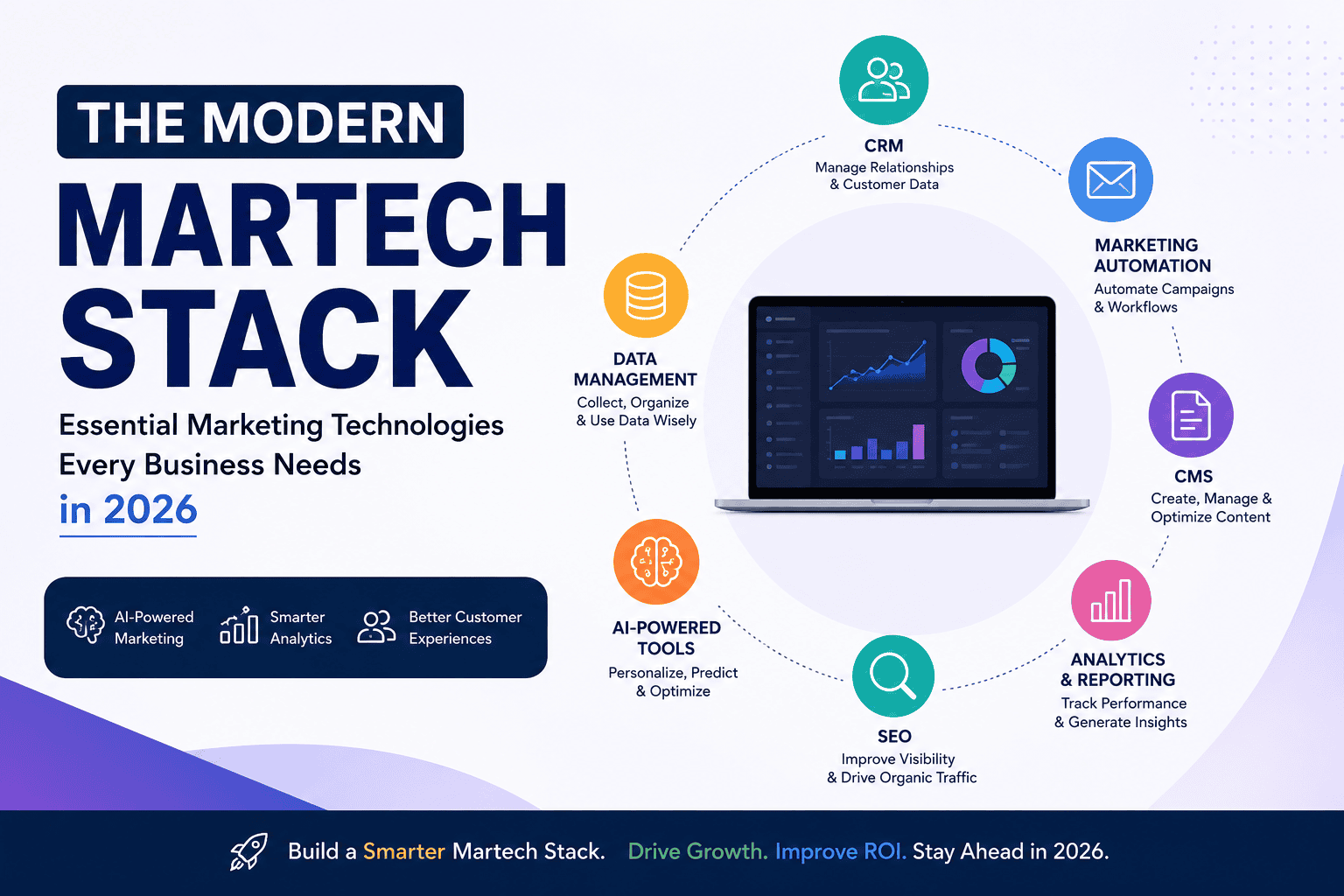
Marketing automation, customer relationship management (CRM) platforms, and customer data platforms (CDPs) help businesses organize information and deliver relevant messages across different channels.
However, personalization does not automatically make communication effective. Customers judge messages by their usefulness, timing, and relevance—not simply by whether a company knows their name.
1. The Message Feels Too Generic
One of the most common reasons customers ignore personalized marketing is that the message does not feel genuinely personal.
Adding a customer’s first name to an email subject line may create the appearance of personalization, but it does not guarantee relevance. If the email contains the same generic promotion that every other subscriber receives, the customer has little reason to pay attention.
Imagine receiving an email that says, “Hi Sarah, discover our exclusive offers today!” The greeting uses your name, but the message does not explain why the offers matter to you.
Effective personalization goes beyond names. It considers customer interests, needs, previous interactions, and the stage of the buying journey.
How marketers can improve: Create content that reflects specific customer needs. Use relevant product recommendations, helpful resources, or offers connected to genuine customer interests rather than relying only on basic personal details.
2. Customers Receive Too Many Marketing Messages
Even useful messages can lose their impact when customers receive too many of them.
A person might receive promotional emails, SMS alerts, app notifications, retargeting advertisements, and sales messages from the same brand within a short period. When every channel demands attention, customers may start ignoring everything.
This problem becomes more frustrating when different marketing systems operate separately. A customer who has already received an offer by email might see the same promotion again through social media or a mobile notification.
Over time, repeated communication can create fatigue and weaken the customer’s relationship with the brand.
How marketers can improve: Set reasonable communication limits, coordinate campaigns across channels, and give customers control over the types and frequency of messages they receive. Sometimes, sending fewer messages produces better engagement than increasing campaign volume.
3. Personalization Feels Intrusive
Customers appreciate relevant recommendations, but they may feel uncomfortable when brands appear to know too much about their activities.
For example, someone might browse a product once and then see advertisements for that exact product across multiple websites. Although the recommendation may be based on available browsing signals, its repeated appearance can make the customer feel watched.
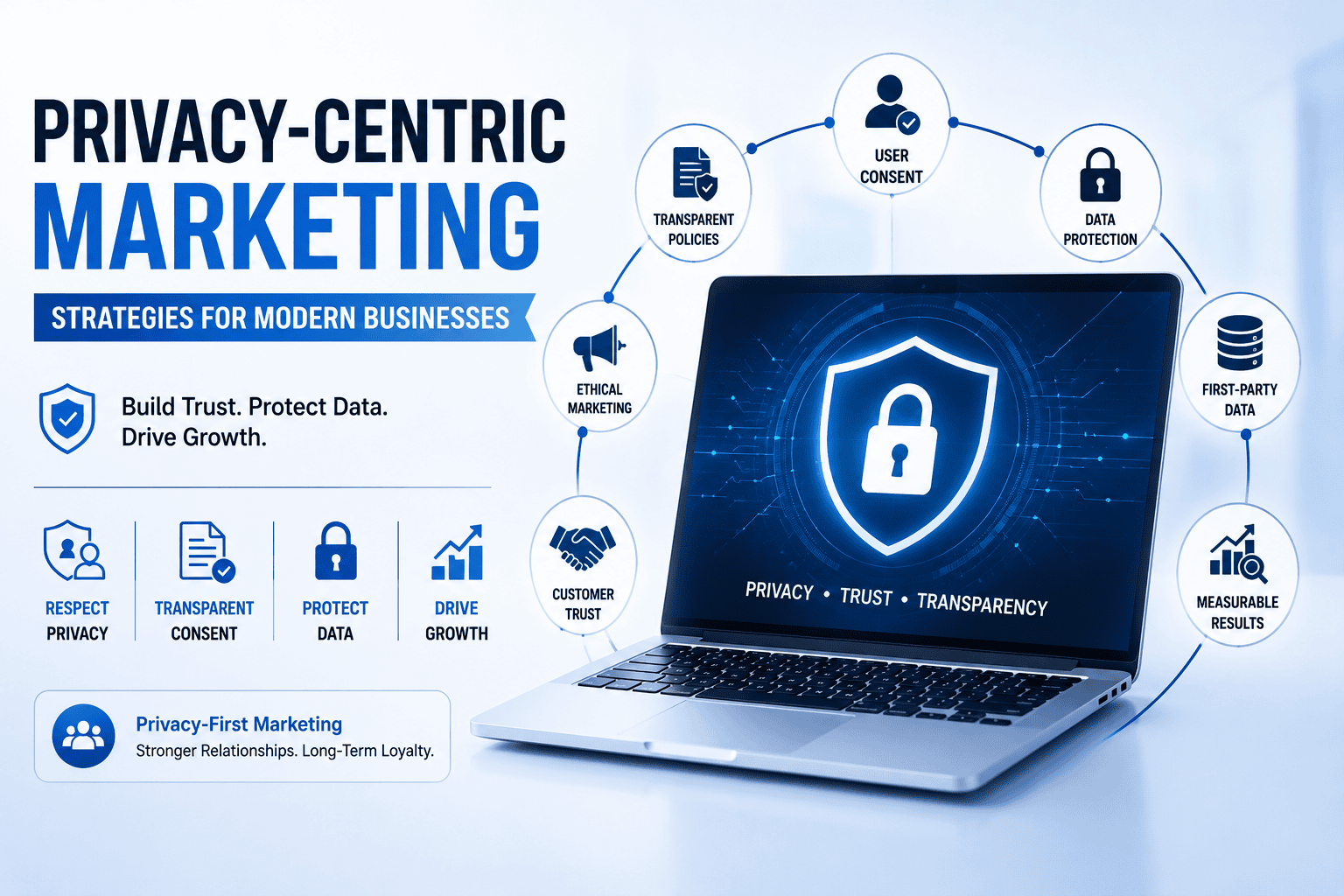
This creates a delicate balance between relevance and privacy. Customers want brands to understand their needs, but they also expect transparency and responsible handling of personal information.
Personalization becomes less effective when it raises questions about how customer data was collected or used.
How marketers can improve: Be transparent about data practices, respect consent and communication preferences, and avoid using sensitive information in ways that could surprise or embarrass customers. Use data to improve the customer experience rather than simply to demonstrate how much the business knows.
4. The Message Arrives at the Wrong Time
Timing can determine whether a marketing message receives attention or disappears without being opened.
A customer may be interested in a product but too busy to explore it when an email arrives. Someone who recently purchased an item may find a discount for that same product irrelevant. A reminder about an abandoned shopping cart may also be unhelpful if the customer has already decided not to buy.
Personalization based on customer data is only useful when the information reflects the customer’s current situation.
How marketers can improve: Consider recent customer actions, buying stages, and communication preferences before sending a message. Use marketing automation to trigger communication around meaningful events, while allowing enough flexibility to avoid unnecessary reminders.
5. The Message Offers No Real Value
Customers are more likely to ignore marketing messages that focus entirely on selling.
A personalized discount may attract attention, but customers do not always need another offer. Depending on their situation, they may benefit more from a product comparison, a practical guide, a troubleshooting tip, or an explanation of how a product solves a specific problem.
For example, a business evaluating marketing automation software might find a comparison guide more helpful than another promotional email asking it to book a sales call.
When every personalized message pushes a purchase, customers can begin to see the brand as a source of advertising rather than useful information.
How marketers can improve: Balance promotional campaigns with educational and helpful content. Ask whether the message solves a problem, answers a question, or helps the customer make a more informed decision.
6. Customer Data Is Inaccurate or Outdated
Personalization depends on the quality of the information behind it. If customer data is incomplete, outdated, or inconsistent, even sophisticated marketing tools can deliver irrelevant messages.
A customer might continue receiving recommendations for products they have already purchased. A business contact may receive beginner-level content despite having considerable experience, or a subscriber may receive offers for a category they no longer care about.
These mistakes make the brand appear disconnected from its audience.
Disconnected systems can make the problem worse when customer preferences and recent activities are not updated across marketing channels.
How marketers can improve: Regularly review customer records, remove outdated information, and connect relevant marketing systems where appropriate. Give customers simple ways to update their preferences and ensure that recent purchases, unsubscribes, and other important actions inform future campaigns.
7. The Message Does Not Match the Customer’s Buying Stage
Not every customer is ready to make a purchase. Some are discovering a problem, others are researching possible solutions, and some are comparing providers before making a final decision.
Sending the same sales message to all these groups can reduce engagement.
For example, someone who has just downloaded an introductory guide may need educational content before they are ready for a product demonstration. A customer comparing different solutions may need pricing information, case studies, or a clear explanation of product differences.
How marketers can improve: Match communication to the customer’s likely needs at each stage of the buying journey. Use relevant engagement signals to guide content choices, but avoid assuming that one action automatically reveals a customer’s complete intentions.
8. Customers Do Not Trust the Brand Enough to Engage
Personalization cannot compensate for a lack of trust.
Customers may ignore messages from brands that make exaggerated promises, hide important conditions, use misleading subject lines, or fail to explain how their information is handled.
Trust can also decline when personalized recommendations repeatedly miss the mark or when customers feel pressured to make decisions.
Building trust requires consistency between what a marketing message promises and what the customer actually experiences.
How marketers can improve: Use honest messaging, provide clear information, respect customer choices, and ensure that promotional claims match the actual product or service. Trust grows when customers feel informed rather than pressured.
How Marketing Technology Can Make Personalization More Effective
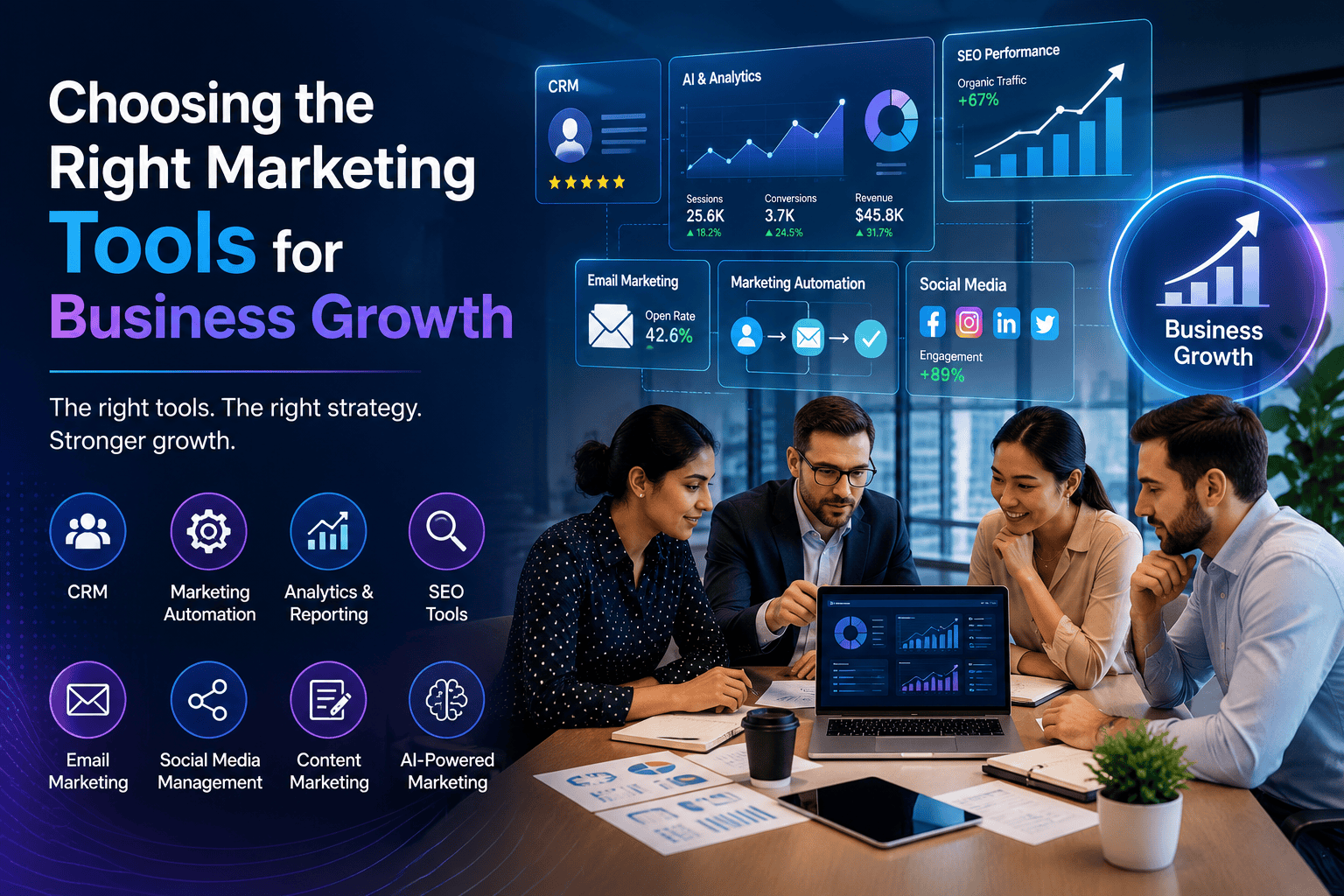
Marketing technology can help businesses address these challenges, but tools alone do not guarantee better customer engagement. The results depend on how well businesses combine data, strategy, content, and customer understanding.
Several capabilities can support more effective personalization:
- Customer relationship management (CRM): Helps teams maintain customer records, track interactions, and coordinate communication.
- Customer data platforms (CDPs): Help bring together customer information from different sources to support more consistent experiences, depending on the platform and data setup.
- Marketing automation: Helps businesses deliver relevant messages based on defined customer actions, timing, and campaign rules.
- Segmentation: Groups audiences according to meaningful characteristics or needs so that messages are more relevant.
- Analytics and testing: Helps marketers evaluate engagement, conversions, unsubscribes, and other outcomes to identify what works.
Businesses should also measure more than email opens or advertisement clicks. Conversion rates, customer retention, complaint rates, and unsubscribe trends can reveal whether personalization is improving the overall customer experience.
Best Practices for Creating Personalized Marketing Messages Customers Want to Read
Making personalization more effective does not always require a larger technology budget. Often, small improvements to communication strategy can make a meaningful difference.
Start with customer needs. Understand the questions, challenges, and decisions your audience faces before deciding what to send.
Keep messages relevant. Use customer information to improve the usefulness of communication rather than adding personal details simply for appearance.
Respect privacy and preferences. Explain data practices clearly and provide straightforward options for managing subscriptions and communication choices.
Coordinate campaigns. Make sure email, advertising, and other channels do not overwhelm customers with repeated messages.
Test and learn. Compare different messages, subject lines, content formats, and sending schedules. Use meaningful performance measures to guide improvements.
Review personalization regularly. Customer needs change over time. Campaigns should evolve as new information becomes available and customer preferences develop.
Conclusion
Customers do not ignore personalized marketing messages simply because personalization has stopped working. They often ignore them because the communication fails to meet their expectations.
Generic content, excessive messaging, intrusive targeting, poor timing, inaccurate data, and a lack of trust can all reduce engagement. The solution is not to personalize every possible interaction, but to make each interaction more relevant and valuable.
For marketing teams, the real opportunity lies in combining useful customer insights with thoughtful communication and responsible data practices. When customers receive messages that respect their time, answer their questions, and support their decisions, personalization becomes more than a marketing technique. It becomes a way to build stronger, longer-lasting relationships.
Frequently Asked Questions
1. Why do customers ignore personalized marketing emails?
Customers may ignore personalized marketing emails when the content feels generic, messages arrive too frequently, or the offers do not match their needs. Relevant content and better timing can improve engagement.
2. Does personalized marketing always improve customer engagement?
No, personalized marketing does not always improve engagement. Its success depends on accurate customer data, useful content, appropriate timing, and respect for customer preferences.
3. How can businesses make personalized marketing less intrusive?
Businesses can make personalization less intrusive by being transparent about data collection, respecting privacy preferences, limiting repetitive messages, and sending relevant content that benefits customers.
4. Which marketing tools help improve personalization?
CRM platforms, customer data platforms, marketing automation software, and analytics tools help businesses understand customer interactions, organize data, and deliver more relevant marketing messages.