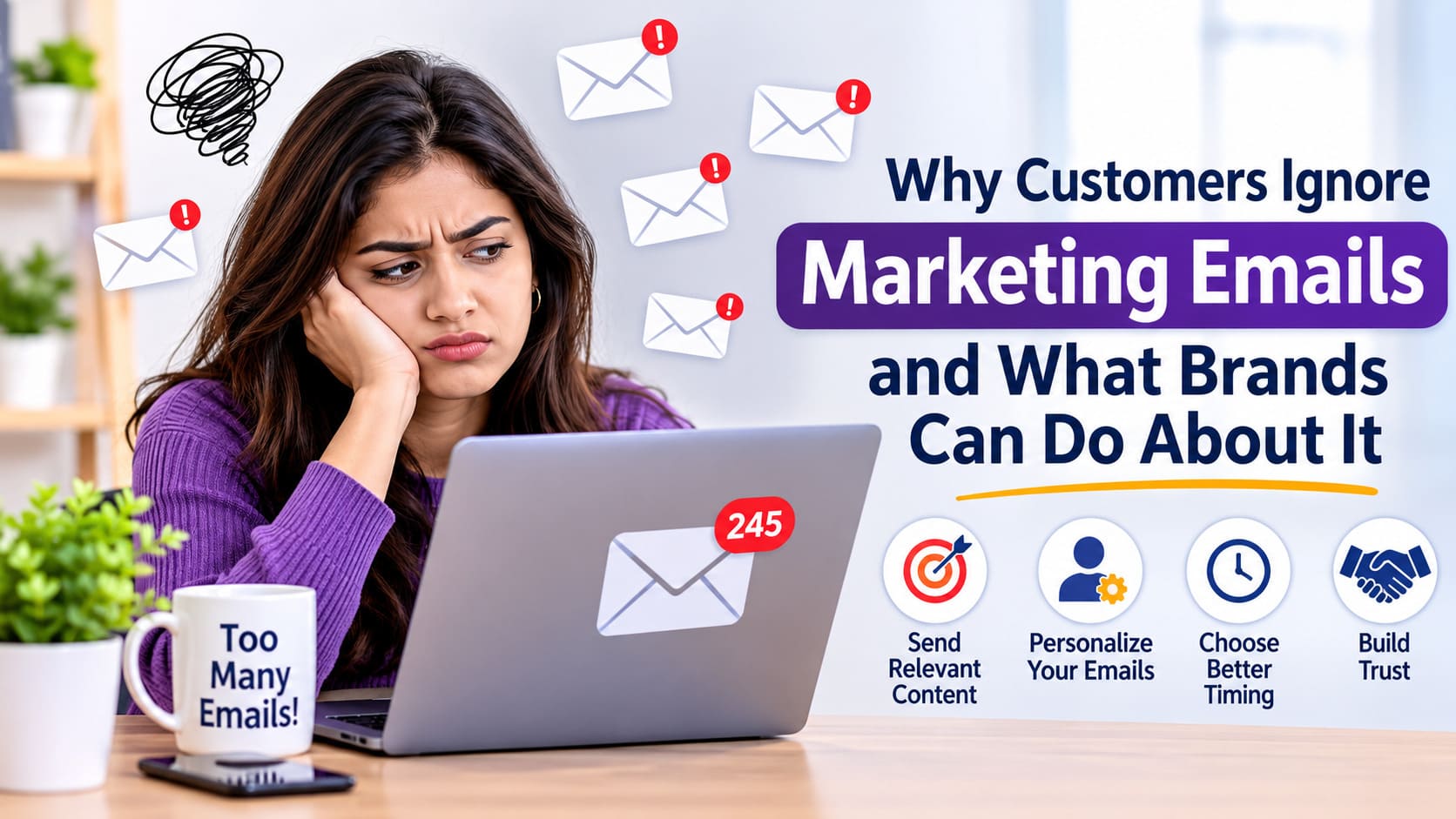









A customer visits your website, explores your services, downloads a resource, and leaves. A few hours later, an automated email arrives with a sales pitch. The next day, another email follows. Then another.
From the marketing team’s perspective, everything is working perfectly. The campaign is active, the emails are delivered, and the automation workflow is running as planned.
But what does the customer think?
Perhaps they were only researching. Maybe they wanted to understand the available options before speaking with a sales representative. Or perhaps they had already found the information they needed.
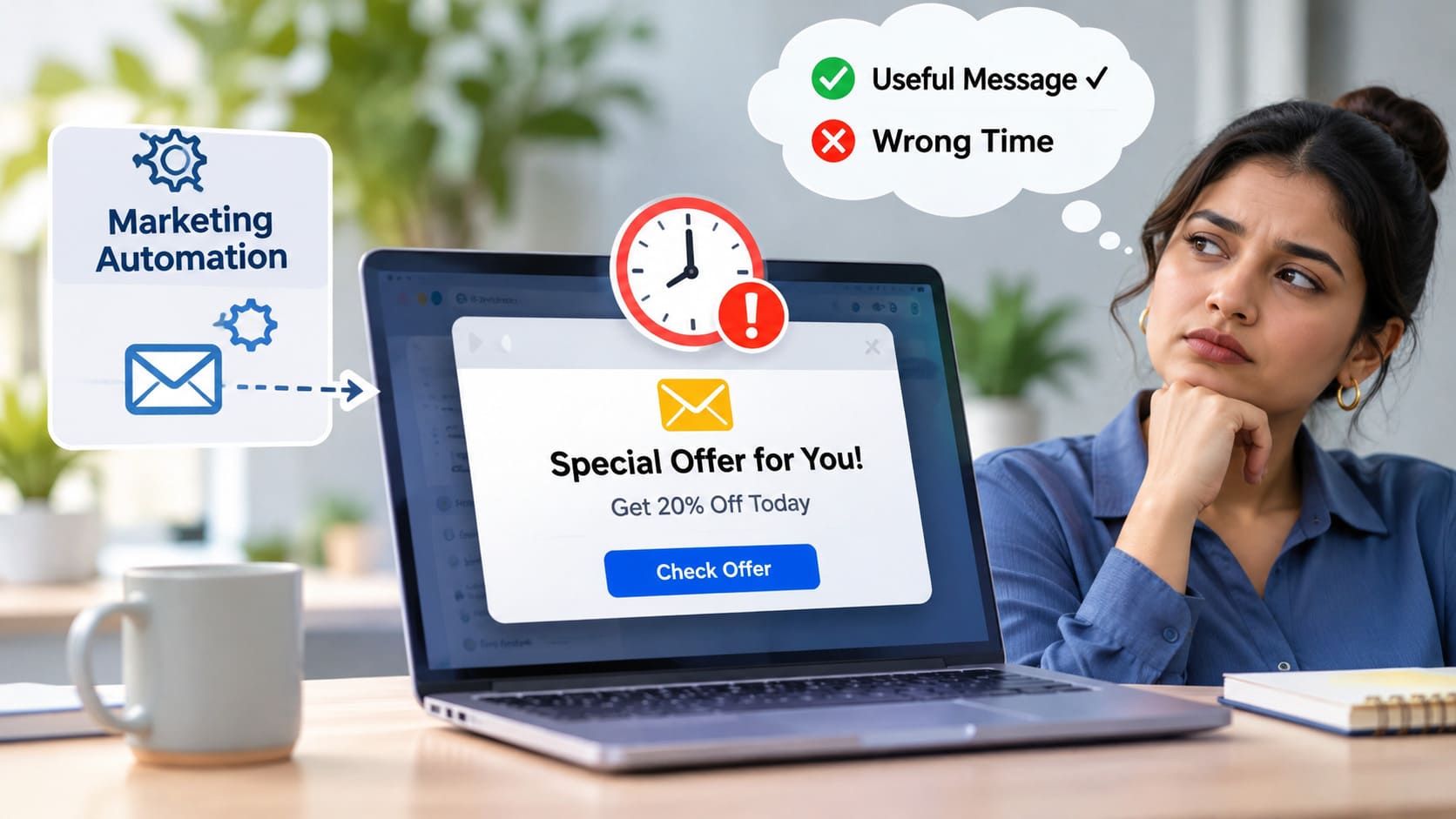
This is where marketing automation faces a challenge that often goes unnoticed. Businesses spend considerable time deciding what to communicate, but they don’t always think about when that communication should happen.
A relevant message can create interest, answer a question, or move a potential customer closer to a decision. However, when it arrives at the wrong moment, it can easily become another email that someone ignores.
In marketing, getting the message right is important. Getting the timing right can make all the difference.
1. When Good Communication Starts Feeling Like an Interruption
Automation is designed to make communication easier. It helps businesses follow up with prospects, share useful resources, and maintain contact without requiring someone to manage every interaction manually.
The problem begins when automation becomes too predictable.
Think about a person who downloads an industry report because they are trying to understand a particular business challenge. Instead of receiving additional information related to that topic, they immediately receive a meeting invitation.
The business may consider this a successful follow-up. The recipient, however, may see it as an unnecessary sales push.
This doesn’t mean that the email was poorly written or the offer was irrelevant. It simply means the business moved faster than the customer’s decision-making process.
People need time to explore, compare, discuss, and evaluate their options. When automated communication ignores that process, even useful messages can feel like interruptions.
2. Not Every Prospect Is Ready for the Next Step
One of the biggest assumptions in automated marketing is that every prospect moves through the buying journey at a similar pace.
In reality, consider three people visiting the same business website.
The first person is researching a problem and wants educational information.
The second person understands the problem and is comparing different service providers.
The third person has already shortlisted a solution and is looking for pricing or a sales conversation.
All three may visit the same website, but their expectations are completely different.
Sending them identical follow-up emails would ignore the reason behind their visit.
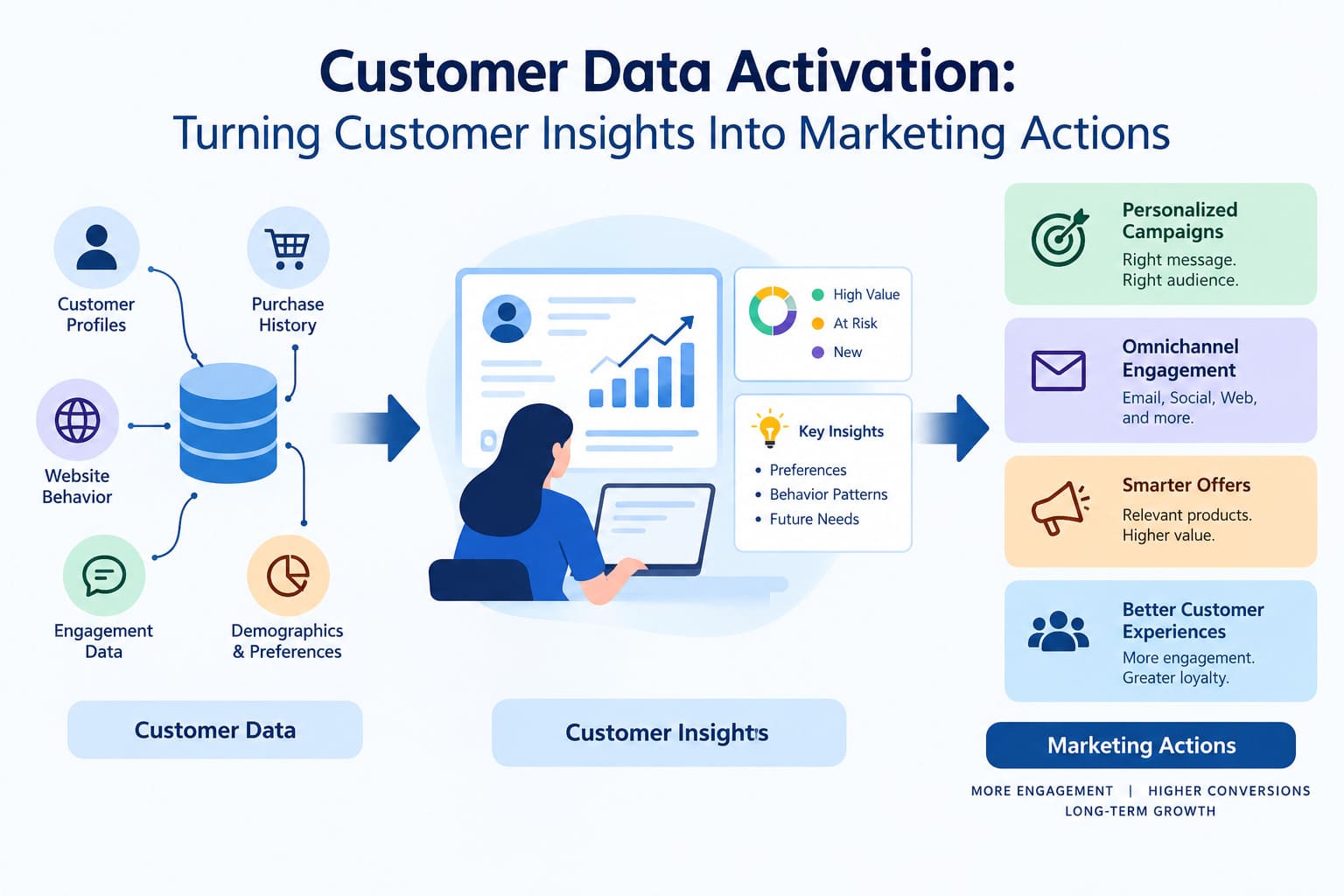
This is why businesses need to look beyond basic lead activity. A website visit or content download tells only part of the story. Understanding the prospect’s interests, previous interactions, and stage of consideration helps determine what communication makes sense next.
Sometimes, the best next step is another useful resource. Sometimes, it is a personal conversation. And sometimes, it is simply giving the prospect more time.
3. Personalization Means More Than Using Someone’s Name
Most marketing teams understand the importance of personalization. Emails are customized with names, company details, job titles, and industry information.
But customers can still recognize when a message feels automated.
For example, receiving an email that says, “Hello Rahul, we understand your company’s challenges,” doesn’t necessarily make the communication relevant.
If the email promotes a service that the recipient has already purchased or discusses a problem they are no longer facing, the personalization loses its value.
Real personalization comes from understanding the context of an interaction.
What information has the person already received? Which topics have they shown interest in? Have they spoken with the sales team? Are they still evaluating the solution?
These details help businesses communicate with greater awareness.
A personalized message should make the recipient feel understood, not simply make an automated email look customized.
4. The Small Customer Signals That Should Change Your Next Message
Customers rarely announce exactly when they are ready to receive another marketing message. Instead, their behaviour provides clues.
Marketing teams can use these clues to make better communication decisions.
Repeated website visits: A prospect returning to a particular service page may be looking for more information. A relevant explanation could be more useful than another generic introduction.
Interest in specific content: Someone downloading multiple resources about the same subject may appreciate more detailed information on that topic.
Email responses: When a prospect replies with a question, the next interaction should address that question rather than continue with a predefined email sequence.
Sales engagement: Once a sales representative starts a conversation, marketing automation should reflect that interaction and avoid sending unrelated promotional messages.
Changes in engagement: If a previously active prospect stops interacting, increasing email frequency may not solve the problem. Reviewing the content and communication approach may be more effective.
These signals are useful, but they should never be interpreted in isolation. A single click does not automatically indicate buying intent. The objective is to understand the broader customer journey.
5. How to Make Automated Communication Feel More Natural
Making automation more human doesn’t mean removing technology from marketing. It means using technology more thoughtfully.
Here are a few ways businesses can improve their existing workflows.
Give people enough time to respond
Not every email needs an immediate follow-up. Allow prospects to read the information, consider their options, and respond when they are ready.
Change the message according to the interaction
If someone has already downloaded an introductory guide, sending the same information again adds little value. Move the conversation forward with something relevant to their interests.
Stop workflows when circumstances change
A prospect who books a meeting should not continue receiving emails asking them to schedule one. Similarly, customers should not receive messages intended for people who have never purchased.
Avoid sending messages just to maintain activity
An empty follow-up adds little value. Before sending another email, consider whether it answers a question, provides useful information, or helps the recipient make a decision.
Keep human judgment involved
Automated systems can manage repetitive communication, but they cannot always understand the full context of a business relationship. Sales and marketing teams should have the flexibility to adjust workflows when personal interaction becomes more appropriate.
6. The Business Impact of Getting the Timing Wrong
Poor timing doesn’t always create an immediate problem. In many cases, its impact builds gradually.
A prospect ignores one email, then another. Someone unsubscribes because the communication feels repetitive. A sales representative receives a lead who has already lost interest because the follow-up strategy failed to address their actual needs.
Over time, these experiences can affect more than email engagement.
Businesses may experience:
- Lower response and conversion rates.
- Increased email unsubscribes.
- Missed opportunities with qualified prospects.
- Poor coordination between sales and marketing.
- Reduced confidence in automated communication.
The important thing to understand is that sending more emails doesn’t necessarily solve an engagement problem.
Sometimes, the issue is not how frequently a business communicates, but whether it has something meaningful to say.
7. Rethinking the Way Marketing Automation Works
Marketing automation should not be treated as a system that simply moves people from one email to another.
It should support a customer journey that can change as new information becomes available.
This means businesses need to review their workflows regularly. Are prospects receiving the same messages despite showing different interests? Are customers still included in acquisition campaigns? Do sales interactions automatically update marketing communication?
These questions can reveal problems that may not be visible in standard campaign reports.
Better coordination between CRM platforms, marketing automation tools, and sales teams can also help maintain consistent communication.
The objective is straightforward: when something changes in the customer’s journey, the communication should change too.
Technology should make businesses more responsive to people, not make people adjust to automated schedules.
Conclusion
Marketing automation has made it possible for businesses to communicate at a scale that would be difficult to manage manually. But efficiency should never come at the expense of relevance.
A customer doesn’t remember how efficiently an email sequence was scheduled. They remember whether the communication was useful, whether it addressed their needs, and whether it arrived when they could actually benefit from it.
The next step in marketing automation isn’t simply sending messages faster or creating longer email sequences. It is understanding customer behaviour well enough to know when communication is appropriate.
Because the right message, delivered at the wrong time, can still become the wrong experience.
Frequently Asked Questions
1. Why is timing important in marketing automation?
Timing helps businesses deliver messages when customers are most likely to find them useful. Even relevant emails can lose their impact if they arrive too early, too late, or when a prospect is not ready to engage.
2. How can businesses identify the right time to send automated emails?
Businesses can study customer behaviour, website visits, email interactions, content downloads, and previous sales conversations. These signals help marketers understand customer interests and choose more relevant moments to communicate.
3. Can poorly timed marketing automation affect customer engagement?
Yes. Repeated or irrelevant messages can make customers lose interest, ignore emails, or unsubscribe. Sending communication based on customer needs rather than fixed schedules can help create a better experience.
4. How can businesses make marketing automation feel more human?
Businesses can make automation more human by understanding customer preferences, adjusting messages based on behaviour, avoiding unnecessary follow-ups, and involving sales teams when personal communication is needed.