








Email marketing is still an important way for businesses to communicate with customers. Brands use emails to introduce new products, share company updates, promote special offers, and build long-term relationships. However, sending an email does not guarantee that someone will read it.
Think about your own inbox. How many promotional emails do you receive every day? Some may offer discounts, while others introduce new products or share updates. You might open a few, ignore most of them, and delete several without even reading the subject line.
This is a common challenge for businesses. Customers are not necessarily losing interest in email itself. They are becoming more selective about the messages they give their attention to.
In 2026, crowded inboxes, changing customer expectations, AI-powered email experiences, and growing concerns about privacy have made relevance more important than ever. According to the DMA’s Marketer Email Tracker 2026, email remains an important marketing channel, but businesses need to turn segmentation, customer data, and lifecycle communication into more meaningful experiences.
So, why do customers ignore marketing emails, and what can brands do to change that? Let’s explore the reasons and practical ways to improve email engagement.
1. Too Many Promotional Emails Create Inbox Fatigue
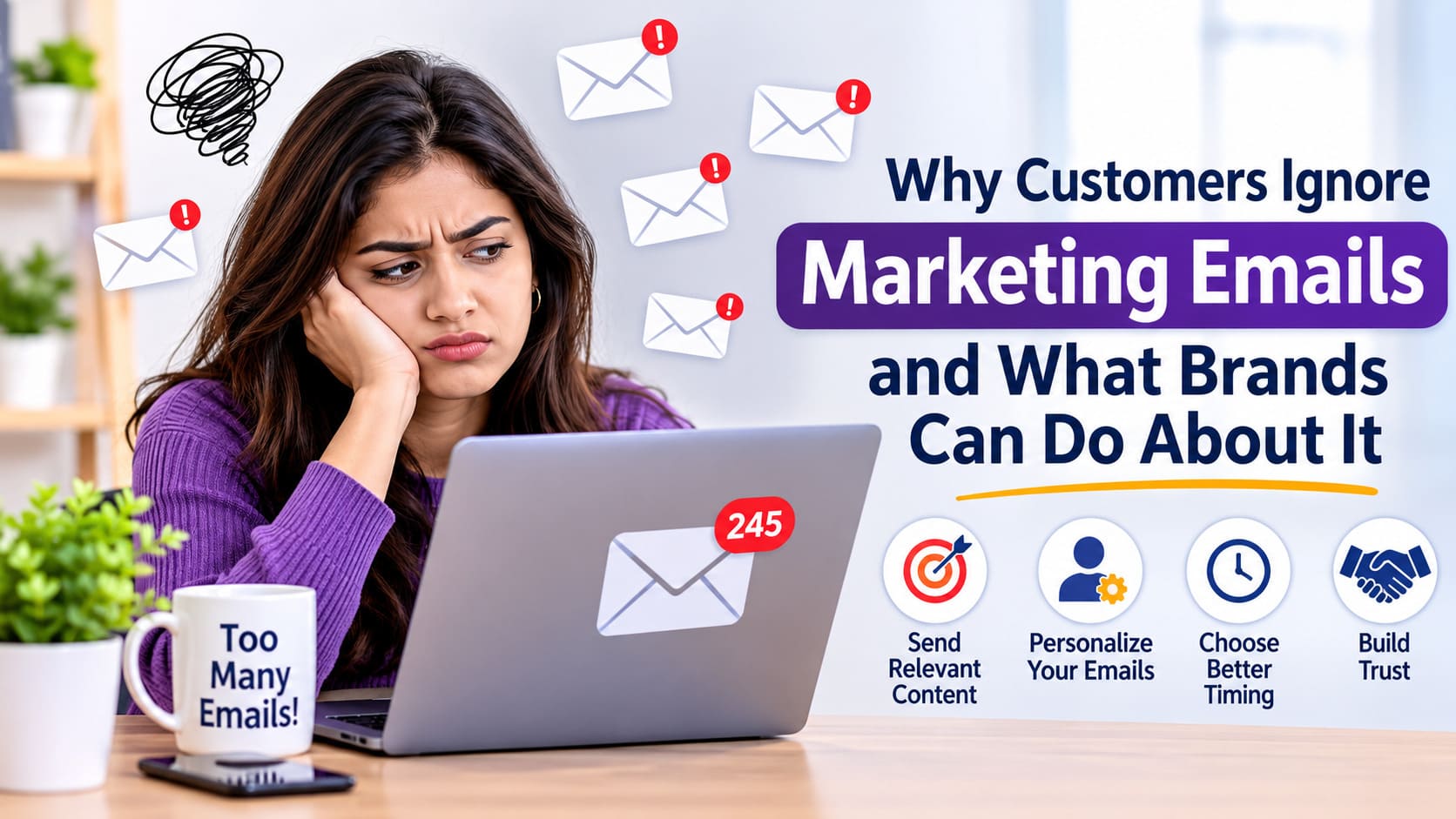
One of the biggest reasons customers ignore marketing emails is the number of messages they receive. When several brands send promotions, product announcements, reminders, and newsletters every day, it becomes difficult for customers to decide which messages deserve attention.
For example, imagine someone receives five emails from the same clothing brand in one week. The first email introduces a new collection, the second promotes a discount, and the remaining messages repeat similar offers. Even if the customer was initially interested, repeated communication can quickly become frustrating.
Eventually, the customer may stop opening those emails altogether.
What brands can do:
- Set a reasonable email sending schedule.
- Avoid sending multiple promotional messages without a clear reason.
- Give subscribers control over how frequently they receive emails.
- Focus on useful updates instead of sending messages simply to remain visible.
The goal should not be to appear in someone’s inbox every day. It should be to send something worth reading.
2. Generic Messages Do Not Match Customer Interests
Customers expect brands to understand their interests. However, many businesses continue sending identical emails to their entire subscriber list.
A customer who regularly purchases skincare products may not be interested in receiving promotions for men’s grooming products. Similarly, someone researching marketing software may prefer educational information instead of repeated sales offers.
When emails do not reflect individual interests, customers have little reason to engage.
What brands can do:
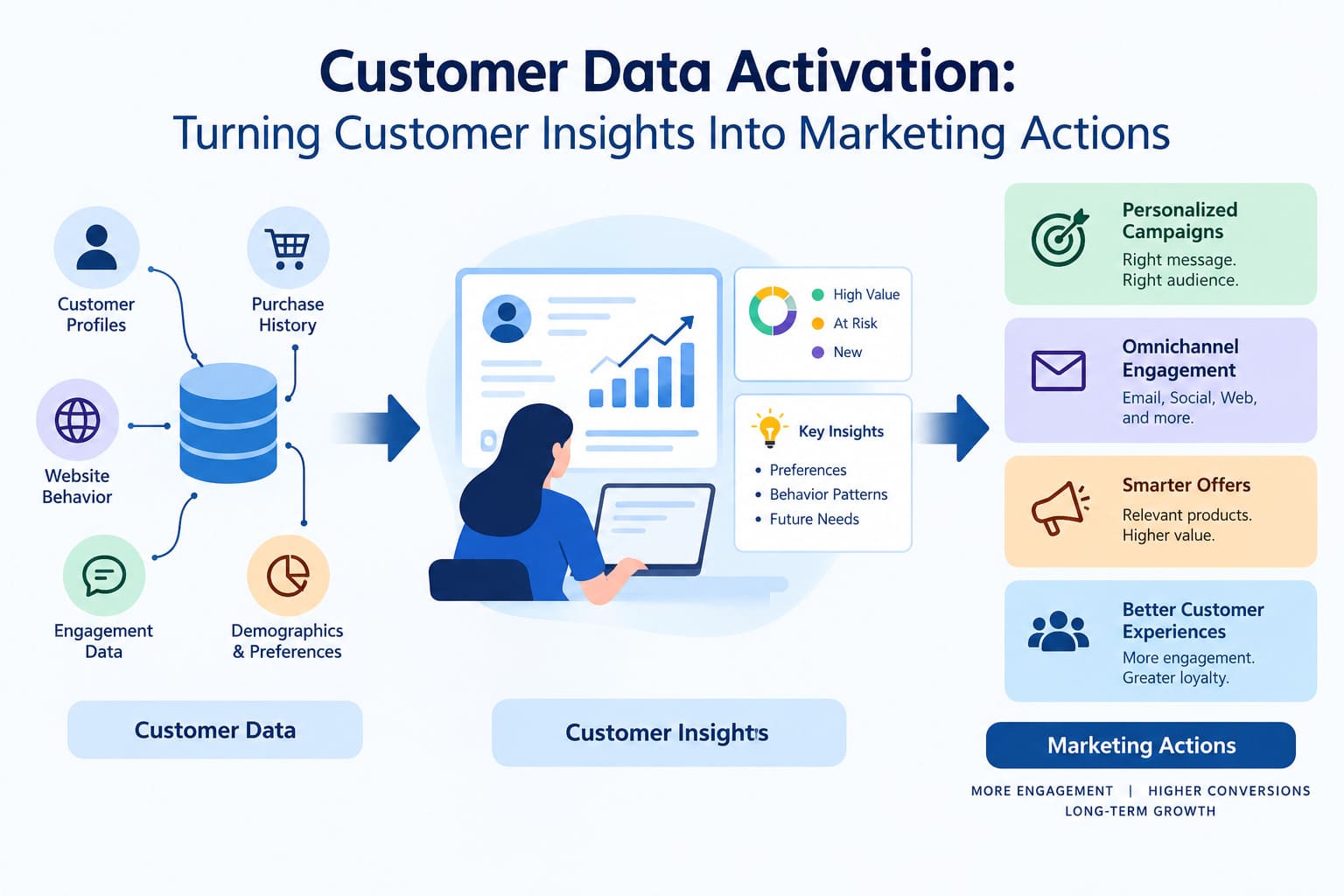
Use audience segmentation to divide subscribers into meaningful groups based on their interests, previous purchases, browsing activity, and communication preferences.
For example:
- New subscribers can receive a helpful welcome email.
- Existing customers can receive relevant product recommendations.
- Inactive subscribers can receive a thoughtful re-engagement message.
- Returning customers can receive updates related to their previous interests.
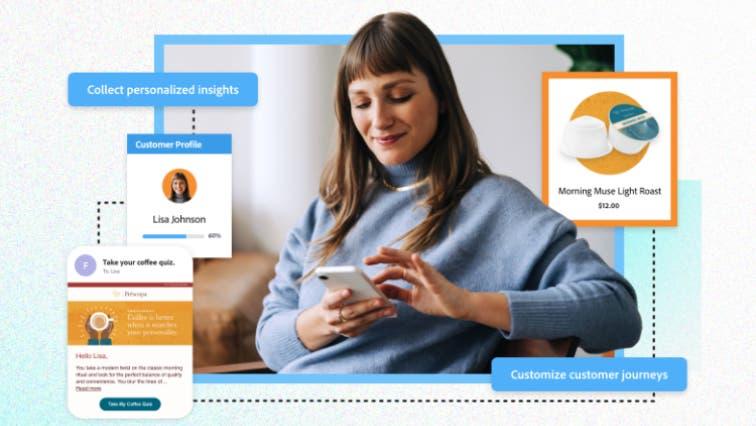
Personalization should go beyond adding someone’s first name to an email. The message itself should be relevant to the person receiving it.
3. Uninteresting Subject Lines Fail to Capture Attention
The subject line is often the first thing a customer notices when an email arrives. If it sounds repetitive, confusing, or overly promotional, the recipient may simply move on.
Consider these examples:
Generic subject line: Don’t Miss Our Latest Offers!
More relevant subject line: Three Ways to Improve Your Email Marketing Strategy
The second example gives readers a clearer idea of what they will learn.
Brands sometimes make the mistake of using exaggerated promises, excessive capital letters, or misleading language to encourage people to open their emails. Although these tactics may attract temporary attention, they can weaken customer trust.
What brands can do:
- Keep subject lines clear and specific.
- Explain the value of opening the email.
- Use preview text to provide additional context.
- Test different subject lines with small audience segments.
- Avoid misleading urgency and exaggerated promises.
A good subject line should help customers understand why the email may be useful to them.
4. Emails Often Focus More on Selling Than Helping
Customers do not always want to receive another discount code or product advertisement. Sometimes, they want information that helps them solve a problem, understand a product, or make a better decision.
When every email contains a sales message, communication starts feeling like advertising rather than a relationship.
For example, a marketing technology company could send subscribers a practical guide explaining how to improve campaign performance instead of promoting its product in every message.
Educational content gives customers a reason to stay connected with a brand, even when they are not ready to make a purchase.
What brands can do:
Create a balanced email content strategy that includes:
- Helpful industry insights.
- Practical tips and educational guides.
- Product updates and feature explanations.
- Customer success stories.
- Relevant offers and announcements.
When brands consistently provide useful information, customers have more reasons to pay attention to their emails.
5. Poor Timing Can Reduce Email Engagement
Even a well-written email may be ignored if it arrives at the wrong time.
A promotional email sent during a busy working day may get buried under other messages. A reminder sent after a customer has already completed a purchase may feel unnecessary.
There is no universal sending time that works for every audience. Customer behaviour depends on their location, daily routine, industry, and relationship with the brand.
What brands can do:
- Study previous campaign engagement patterns.
- Experiment with different sending days and times.
- Use behaviour-based automation for important customer interactions.
- Consider time-zone differences when communicating with international audiences.
- Test send-time optimization when the email platform supports it.
Rather than relying on general advice about the best time to send emails, brands should learn from their own audience.
6. Lack of Trust Makes Customers Hesitate
Trust plays an important role in email engagement. Customers may ignore messages when they do not recognize the sender, feel uncomfortable about how their information is being used, or suspect that an offer is misleading.
Unclear sender names, suspicious-looking links, unexpected promotional messages, and excessive personal information can make an email feel unsafe.
Brands should remember that receiving permission to send emails is only the beginning of a customer relationship. Maintaining that trust requires consistent and transparent communication.
What brands can do:
- Use a recognizable brand name and professional sender address.
- Send emails only to people who have agreed to receive them.
- Explain why customers are receiving a message.
- Be transparent about data collection and personalization.
- Include a clear and accessible unsubscribe option.
- Avoid misleading claims and hidden conditions.
Trust is not built through one successful campaign. It develops through every interaction a customer has with a brand.
7. Mobile-Friendly Design Is Still Important
Many customers check their emails using smartphones. If an email is difficult to read, contains oversized images, or requires excessive scrolling, readers may leave before reaching the main message.
A complicated layout can also make important information difficult to find.
For example, a customer might receive an email containing a special offer, but the main call-to-action button is too small to tap comfortably. Even if the offer is interesting, the poor experience can prevent further engagement.
What brands can do:
- Use responsive email templates.
- Keep paragraphs short and easy to scan.
- Choose readable font sizes.
- Make buttons large enough for mobile users.
- Compress images to improve loading speed.
- Test emails on different devices and email clients.
Good email design should make the message easier to understand, not distract readers from its purpose.
8. Repeated Automated Emails Feel Impersonal
Automation helps businesses communicate with customers at different stages of their journey. Welcome emails, abandoned-cart reminders, purchase confirmations, and follow-up messages can all be useful.
However, automation becomes a problem when customers receive messages that do not reflect their actual situation.
For example, a customer who has already purchased a product might continue receiving reminders to buy the same item. Another customer may receive a welcome email weeks after subscribing.
These experiences make automated communication feel disconnected from real customer behaviour.
What brands can do:
- Review automated email journeys regularly.
- Use customer actions to trigger relevant messages.
- Stop unnecessary reminders after a customer completes an action.
- Update email content when customer preferences change.
- Monitor automation performance and customer feedback.
Automation should make communication more timely and helpful, not simply increase the number of emails being sent.
9. What Brands Should Measure Beyond Email Opens
Another challenge is understanding whether customers are genuinely interested in email campaigns.
Open rates have traditionally been used to measure email engagement. However, privacy features and automated image loading can make open-rate figures less reliable.
Businesses should therefore look beyond opens and examine how subscribers actually interact with their messages.
Important metrics include:
Click-Through Rate: Shows how many recipients click links within an email.
Conversion Rate: Measures how many recipients complete a desired action, such as purchasing a product or registering for an event.
Unsubscribe Rate: Helps identify whether subscribers are becoming dissatisfied with the frequency or content of messages.
Bounce Rate: Shows how many emails could not be delivered successfully.
Spam Complaint Rate: Indicates how frequently recipients report messages as unwanted.
Revenue Per Email: Helps businesses understand the revenue generated by their email campaigns.
These metrics provide a broader understanding of campaign performance. Instead of celebrating high open rates alone, brands should focus on whether their communication creates meaningful customer actions.
10. How AI Is Changing Email Marketing in 2026
Artificial intelligence is changing how businesses create, personalize, and manage email campaigns. Marketers can now use AI to identify audience patterns, suggest relevant content, generate subject-line ideas, and support automated campaign workflows.
However, using AI does not automatically make an email more engaging.
If every brand uses similar automated language and generic recommendations, customers may find their inboxes even less interesting.
The real value of AI comes from using it to understand customer needs and improve communication without losing the human touch.
What brands can do:
- Use AI to identify relevant audience segments.
- Generate subject-line variations for testing.
- Recommend content based on customer interests.
- Analyze engagement trends.
- Support personalized email journeys.
- Have a human review AI-generated messages before sending.
AI should help marketers make better decisions, not replace genuine understanding of their customers.
Practical Email Marketing Improvements Brands Can Start Today
Improving email engagement does not always require an expensive marketing platform or a complete strategy change. Small improvements can make communication more useful.
Here are some practical steps brands can begin implementing:
- Understand subscribers: Collect useful preference information during sign-up and through occasional surveys.
- Reduce unnecessary emails: Review sending frequency and remove repetitive campaigns.
- Improve content quality: Give readers something informative, relevant, or useful in every message.
- Personalize communication: Use customer interests and behaviour to make messages more relevant.
- Optimize for mobile: Make every email easy to read and interact with on smaller screens.
- Test campaign performance: Experiment with subject lines, content formats, and sending times.
- Maintain list quality: Remove invalid addresses and manage inactive subscribers responsibly.
- Respect customer choices: Make subscription preferences and unsubscribe options easy to access.
These improvements can help businesses create an email experience that feels less like constant advertising and more like useful communication.
Conclusion
Customers do not ignore marketing emails simply because they dislike receiving messages from brands. More often, they ignore emails because the content does not match their interests, the timing is inconvenient, or the messages arrive too frequently.
For businesses, the solution is not to send more emails or use increasingly aggressive promotional tactics. It is to understand what customers actually want to receive.
Brands that prioritize relevant content, thoughtful personalization, transparent communication, and convenient email experiences have a better opportunity to build lasting relationships with their subscribers.
As email marketing continues to evolve in 2026, the brands that stand out will not necessarily be the ones sending the most messages. They will be the ones giving customers a genuine reason to read them.
Frequently Asked Questions
1. Why do customers ignore marketing emails?
Customers often ignore marketing emails because they receive too many messages, find the content irrelevant, or do not see enough value in opening them.
2. How can brands make marketing emails more engaging?
Brands can improve engagement by sending personalized content, writing clear subject lines, reducing unnecessary emails, and sharing useful information.
3. Does email frequency affect customer engagement?
Yes. Sending emails too frequently can cause inbox fatigue, leading customers to ignore messages or unsubscribe from mailing lists.
4. How does AI help improve email marketing?
AI helps marketers understand customer preferences, suggest relevant content, improve audience segmentation, and create more personalized email campaigns.