









Publishing blog posts regularly is often considered one of the easiest ways to improve website traffic. Businesses invest time in researching topics, writing articles, designing images, and publishing content with the expectation that more blogs will bring more visitors.
But the results are not always what they expect.
Some websites publish several articles every month but continue to receive very little organic traffic. Meanwhile, other websites publish fewer articles and attract more relevant visitors.
Why does this happen?
The reason is simple: website traffic depends on content quality, relevance, search intent, and visibility not just the number of published articles.
Let’s understand why publishing more blog posts does not always lead to better website traffic and what businesses can do differently.
1. Publishing Content Without Proper Keyword Research
One common mistake businesses make is choosing blog topics based on assumptions rather than actual search demand.
A topic might sound interesting to the writer, but that does not necessarily mean people are searching for it.
For example, a business may publish several articles about general marketing trends while overlooking specific questions that its target audience searches for.
Without proper keyword research, even well-written articles can struggle to attract organic visitors.
What businesses can do:
- Research keywords before selecting blog topics.
- Identify long-tail keywords with relevant search intent.
- Understand what questions potential customers are asking.
- Choose topics that match the website’s audience and services.
2. Ignoring What Readers Actually Want to Know
People visit websites because they want answers, solutions, or useful information.
If a blog discusses a topic without addressing the reader’s actual problem, visitors may leave without exploring the rest of the website.
For instance, someone searching for ways to improve website traffic probably wants practical strategies, not just a general explanation of digital marketing.
Content should answer the reason behind the search.
What businesses can do:
- Understand the search intent behind each keyword.
- Answer the main question early in the article.
- Include practical examples and useful recommendations.
- Avoid unnecessary information that does not support the topic.
3. Focusing on Quantity Instead of Content Quality
Publishing five articles in a week may look productive, but it does not guarantee better results.
When businesses focus only on publishing frequency, they may overlook important details such as content accuracy, readability, originality, and topic depth.
Readers are more likely to trust content that genuinely helps them understand a problem.
Instead of publishing more articles without a clear purpose, businesses should focus on creating fewer but more valuable resources.
What businesses can do:
- Develop informative and original articles.
- Include real-world examples wherever possible.
- Explain complex topics in simple language.
- Review content before publishing.
- Update existing articles when information becomes outdated.
4. Poor Internal Linking Can Limit Content Discovery
Imagine a website has 50 useful blog posts, but none of them connects to another relevant article.
Visitors may read one article and leave without discovering other useful resources.
Internal linking helps readers navigate related topics and allows search engines to understand the relationship between different pages.
For example, an article about keyword research can link to another blog explaining search intent or content optimization.
What businesses can do:
- Link related blog articles naturally.
- Use meaningful anchor text.
- Connect informational blogs with relevant service pages.
- Check for broken internal links.
5. Publishing Blogs Without Promoting Them
Publishing an article is only one part of content marketing.
A newly published blog may take time to gain visibility through search engines. During this period, businesses can use other channels to introduce the content to their audience.
Relying entirely on organic search can limit early content discovery.
What businesses can do:
- Share articles on LinkedIn.
- Include useful blogs in email newsletters.
- Share relevant content with professional communities.
- Repurpose blog insights into social media posts.
- Promote articles through appropriate marketing channels.
6. Ignoring Existing Blog Performance
Many businesses continuously create new articles without checking how their existing content performs.
Some older blogs may already receive impressions but have low click-through rates. Others may attract visitors but fail to answer their questions properly.
These articles may offer opportunities for improvement without creating entirely new content.
What businesses can do:
- Review website performance through Google Search Console.
- Identify articles receiving impressions but fewer clicks.
- Update outdated information.
- Improve titles and meta descriptions.
- Add relevant keywords and useful internal links.
7. Targeting Too Many Unrelated Topics
Publishing articles across unrelated subjects can make it difficult to establish a clear topical focus.
For example, a marketing technology website that publishes about digital marketing, general lifestyle topics, entertainment, and unrelated technology subjects may struggle to build a consistent content identity.
A focused content strategy helps businesses cover relevant subjects in greater depth.
What businesses can do:
- Identify the website’s main subject areas.
- Create content clusters around important topics.
- Publish supporting articles for major subjects.
- Maintain consistency between blog topics and business expertise.
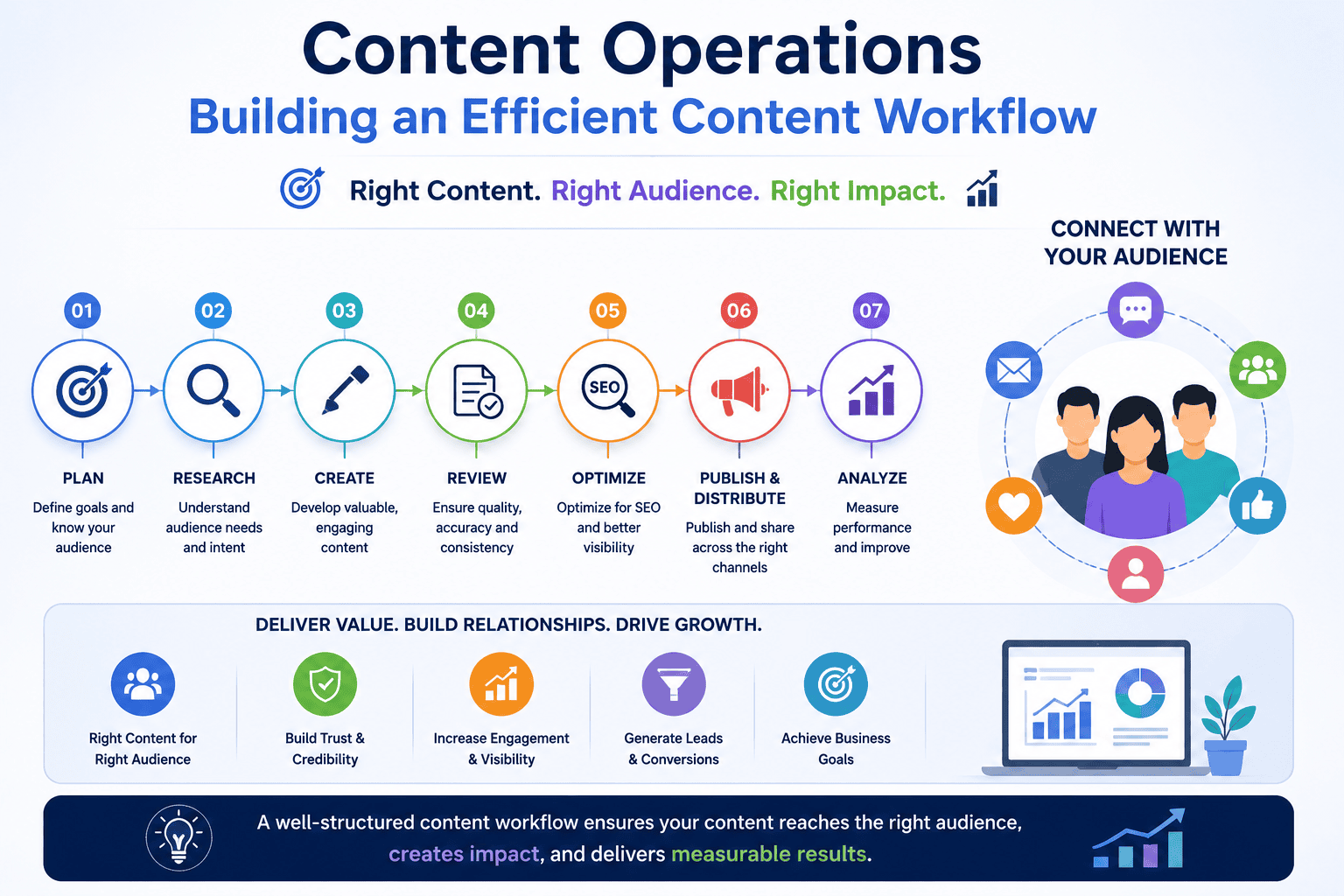
How to Build a Blog Strategy That Actually Improves Website Traffic
Rather than measuring content success by the number of articles published, businesses should focus on whether their content attracts the right audience.
A practical approach includes:
- Research: Find relevant keywords and understand search intent.
- Plan: Create a monthly content calendar based on audience requirements.
- Create: Write original, informative, and reader-focused articles.
- Optimize: Improve headings, meta titles, descriptions, images, and internal links.
- Promote: Distribute content through relevant marketing channels.
- Measure: Monitor impressions, clicks, organic traffic, and engagement.
- Improve: Update existing content based on actual performance.
Final Thoughts
Publishing more blog posts can support website growth, but only when every article has a clear purpose.
A website does not need hundreds of articles that repeat the same information. It needs useful content that answers real questions, reaches the right audience, and provides meaningful information.
Businesses should move away from measuring content success only through publishing frequency.
Frequently Asked Questions
1. Why does publishing more blog posts not increase website traffic?
Publishing more blogs does not guarantee higher traffic. Content quality, keyword research, search intent, and proper SEO optimization play an important role in attracting visitors.
2. How often should businesses publish blog posts?
Businesses should follow a consistent publishing schedule based on their resources and audience needs. Focusing on useful, well-researched content is more valuable than publishing frequently without a strategy.
3. How can businesses improve organic blog traffic?
Businesses can improve organic blog traffic through keyword research, search intent optimization, internal linking, quality content, and regular performance monitoring using Google Search Console.
4. Does updating old blog posts help increase website traffic?
Yes. Updating outdated information, improving headings, adding relevant keywords, and fixing internal links can help existing blog posts remain useful and improve their search visibility.