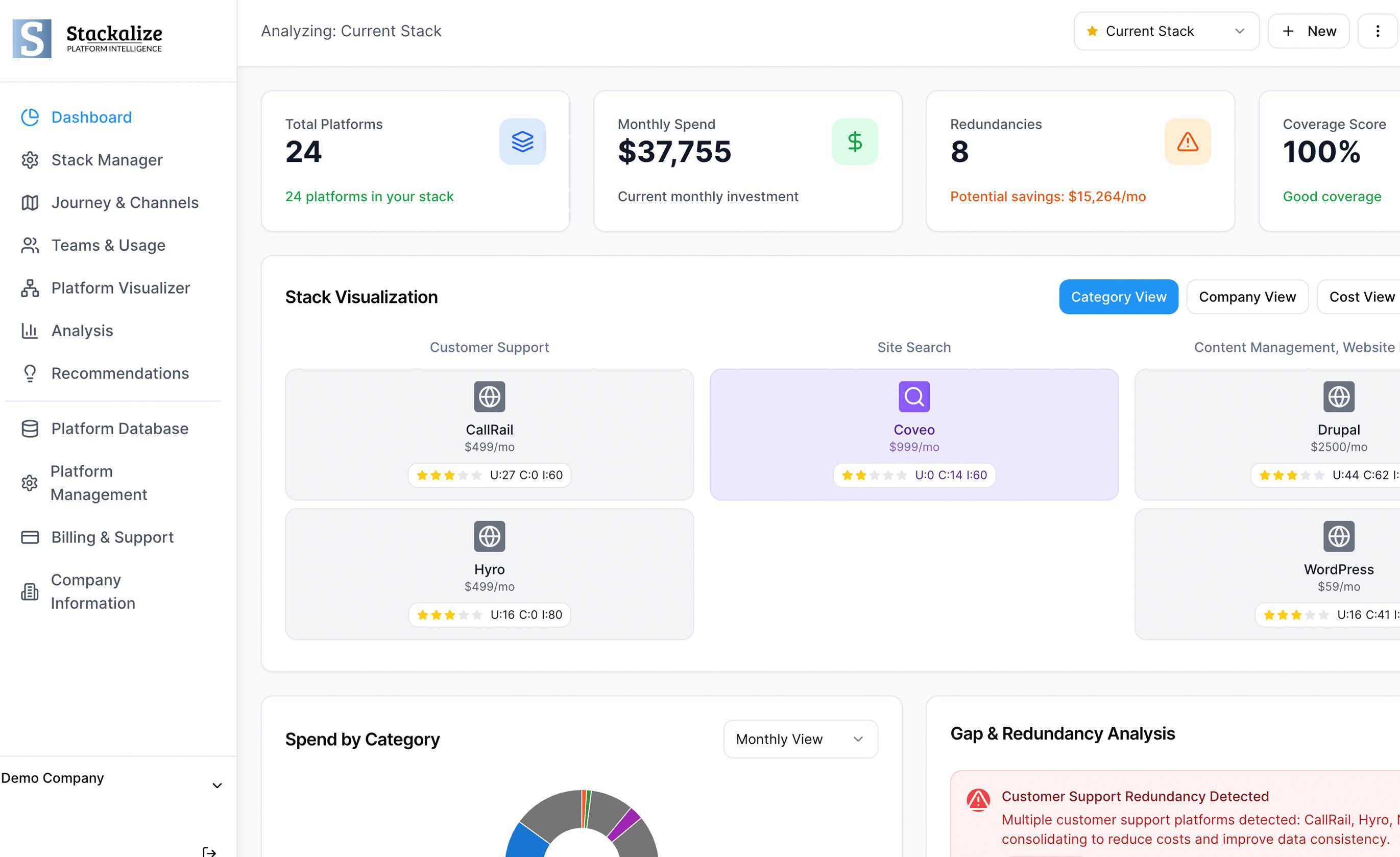









Marketing technology is changing faster than ever. New platforms, artificial intelligence capabilities, customer data systems, automation tools, and analytics solutions are changing the way businesses attract, understand, and retain customers.
In 2026, marketers are no longer looking at technology simply as a collection of tools. The focus is shifting toward connected systems that can understand customer behavior, automate repetitive work, improve decision-making, and create more relevant experiences.
From agentic AI to privacy-first data strategies, the latest Marketing Technology Trends 2026 show that the future of marketing will be more intelligent, automated, personalized, and data-driven.
Let’s explore the 10 marketing technology trends that marketers should understand this year.
1. Agentic AI Is Changing Marketing Workflows
Artificial intelligence has already become part of everyday marketing, but 2026 is bringing a stronger focus on agentic AI.
Unlike traditional AI tools that respond to individual prompts, AI agents can be designed to complete a series of related tasks. For example, an AI system could analyze campaign performance, identify an audience segment, suggest content changes, and prepare a campaign workflow.
This can reduce the amount of manual work required from marketing teams.
Agentic AI does not mean removing marketers from the process. Instead, it can give marketers more time to focus on strategy, creative decisions, customer relationships, and business goals.
As these systems become more capable, companies will need clear workflows, permissions, data controls, and human oversight.
2. AI-Powered Personalization Is Becoming More Advanced
Customers expect brands to understand their interests and provide relevant experiences.
Basic personalization, such as adding a customer’s name to an email, is no longer enough. Modern marketing platforms can use customer behavior, previous interactions, purchase history, content engagement, and other signals to create more relevant experiences.
AI can help marketers identify patterns across these signals and adjust messaging accordingly.
For example, an online retailer could show different product recommendations based on browsing behavior, while a B2B company could adapt content depending on where a prospect is in the buying journey.
The goal is not simply to personalize everything. The goal is to make each interaction more useful and relevant.
3. AI Search and Answer Engine Optimization Are Growing
Search behavior is evolving.
People are increasingly using AI-powered search experiences to ask questions, compare products, discover information, and find recommendations. This creates new opportunities for marketers beyond traditional search engine optimization.
Brands now need content that can be easily understood, trusted, and referenced by search engines and AI-driven answer systems.
This is where Answer Engine Optimization (AEO) and related approaches are becoming increasingly important.
Clear explanations, structured content, useful answers, original insights, strong topical coverage, and credible sources can help content become more useful across changing search environments.
Marketers should therefore think beyond ranking for a single keyword and focus on answering the questions their audiences actually ask.
4. First-Party Data Is Becoming More Important
Privacy changes and the decline of unrestricted third-party tracking have increased the importance of first-party data.
First-party data is information that a company collects directly through its own interactions with customers and prospects. Examples include website activity, purchases, email engagement, account information, customer preferences, and product usage.
Companies can use this information to understand their audiences while maintaining greater control over how customer data is collected and used.
A strong first-party data strategy also depends on transparency. Customers should understand why information is being collected and how it contributes to their experience.
In 2026, data quality and responsible data usage are becoming just as important as data volume.
5. Marketing Automation Is Moving Toward Smarter Workflows
Marketing automation has been around for years, but automation is becoming more intelligent.
Modern platforms can connect customer data, campaign activity, lead behavior, analytics, and communication channels into automated workflows.
Instead of simply sending an email after someone fills out a form, marketers can build workflows that respond to multiple customer signals.
For example, a workflow could identify a highly engaged lead, update the customer’s profile, send relevant content, notify a sales representative, and continue monitoring future activity.
This allows marketing teams to spend less time managing repetitive processes and more time improving campaign strategy.
6. Customer Data Platforms Are Becoming More Valuable
Customers interact with brands through websites, applications, email, social platforms, advertising channels, customer service, and other touchpoints.
When this information remains separated across different systems, marketers may struggle to understand the complete customer journey.
Customer Data Platforms (CDPs) can help bring customer information together and create more unified profiles.
The value of a CDP is not simply storing information. The larger opportunity is making useful customer data available to marketing systems and teams when they need it.
When connected properly with CRM, analytics, automation, and advertising platforms, a CDP can become an important part of a modern marketing technology stack.
7. Predictive and Prescriptive Analytics Are Supporting Better Decisions
Marketing teams have access to more data than ever, but having data does not automatically lead to better decisions.
This is why predictive and prescriptive analytics are becoming increasingly important.
Predictive analytics focuses on what may happen next. It can help marketers identify potential customer behavior, campaign outcomes, demand patterns, or high-value audiences.
Prescriptive analytics goes a step further by helping marketers understand possible actions based on available data.
For example, analytics could help identify which audience segment deserves additional campaign investment or which marketing activity may require optimization.
The combination of data, analytics, and AI can help marketing teams make decisions with greater context.
8. Privacy-First Marketing Technology Is Becoming Essential
Technology can provide marketers with powerful customer insights, but responsible data management must remain a priority.
Customers are increasingly aware of how companies collect and use their information. Regulations and platform policies are also influencing how marketers approach data.
Privacy-first marketing involves collecting appropriate information, maintaining clear consent practices, protecting customer data, and limiting unnecessary data collection.
Marketing technology platforms are therefore being evaluated not only for their features but also for their security, governance, permissions, and data-handling capabilities.
Building customer trust should remain a central part of any technology strategy.
9. Conversational AI Is Improving Customer Interactions
Chatbots and conversational marketing tools are becoming more capable.
Modern conversational AI can help customers find information, answer common questions, guide product discovery, support lead generation, and assist with routine service requests.
The biggest change is that conversations can become more contextual.
Instead of presenting every visitor with the same experience, AI systems can potentially use available customer and session information to provide more relevant responses.
However, businesses still need clear boundaries. Complex, sensitive, or high-value interactions may require a human representative.
The strongest approach is often a combination of AI efficiency and human expertise.
10. Commerce Media and Connected Experiences Are Expanding
The relationship between advertising, commerce, customer data, and digital experiences is becoming increasingly connected.
Commerce media allows businesses and retailers to use customer and transaction data to support advertising and promotional opportunities.
At the same time, customers expect consistent experiences across websites, mobile applications, physical stores, email, advertising, and other channels.
This makes connected marketing technology increasingly important.
Instead of treating every channel as a separate activity, marketers can build coordinated experiences around the customer journey.
The result can be a more consistent experience from discovery to purchase and beyond.
What These Marketing Technology Trends Mean for Marketers
The biggest change in 2026 is not the arrival of one particular technology. It is the way different technologies are becoming connected.
AI can work with customer data. Customer data can support personalization. Personalization can connect with automation. Automation can generate new performance data. Analytics can then help marketers improve future campaigns.
This creates a technology ecosystem rather than a collection of disconnected tools.
For marketers, this means choosing technology based on business requirements instead of simply adopting every new platform that enters the market.
Before adding another tool, teams should consider questions such as:
- Does the technology solve a genuine marketing problem?
- Can it integrate with the existing technology stack?
- Does it improve the customer experience?
- How will customer data be protected?
- Can marketers measure its impact?
- Does the team have the skills required to use it effectively?
These questions can help organizations avoid unnecessary technology complexity.
How to Prepare for the Future of Marketing Technology
Keeping up with every new platform is not a realistic strategy. Instead, businesses should build a flexible marketing technology foundation.
Start by understanding the customer journey and identifying where technology creates friction. Then evaluate the quality of existing customer data, automation workflows, analytics capabilities, and platform integrations.
AI should be introduced where it can create measurable value rather than simply because it is trending.
Businesses should also pay attention to data governance and privacy as their technology ecosystem becomes more connected.
Most importantly, marketing teams should continue developing human skills. Strategic thinking, creativity, communication, customer understanding, and critical decision-making remain valuable even as automation increases.
Final Thoughts
The Marketing Technology Trends 2026 reflect a broader transformation in how businesses approach marketing.
Agentic AI is making workflows more intelligent. Personalization is becoming more data-driven. Search is expanding into AI-powered experiences. First-party data is becoming increasingly valuable, while privacy and governance are becoming essential parts of technology planning.
At the same time, automation, CDPs, analytics, conversational AI, and connected commerce experiences are helping marketers create more coordinated customer journeys.
The future of marketing technology is therefore not about using the largest number of tools. It is about creating a technology ecosystem that helps marketers understand customers, make better decisions, automate meaningful work, and deliver useful experiences.
Businesses that approach technology with a clear strategy can build a marketing foundation that is more adaptable as customer expectations and digital channels continue to evolve.
Frequently Asked Questions
What are the top marketing technology trends in 2026?
The major marketing technology trends in 2026 include AI-powered marketing, agentic AI, predictive analytics, first-party data, hyper-personalization, marketing automation, customer data platforms, and AI-driven analytics.
How is AI changing marketing technology in 2026?
AI is helping marketers automate repetitive tasks, analyze customer behavior, personalize campaigns, generate content, improve targeting, and make faster data-driven marketing decisions.
Why is first-party data important for marketing technology in 2026?
First-party data helps businesses understand their customers directly while supporting relevant personalization and measurement as privacy requirements and data-access restrictions continue to evolve.
How can businesses adopt new marketing technology trends?
Businesses can start by identifying specific marketing challenges, evaluating their existing technology stack, choosing tools that integrate with current systems, and introducing new technologies gradually.