







In today’s digital-first economy, customers expect seamless, personalized, and consistent experiences whenever they interact with a brand. Whether they are browsing a website, using a mobile app, engaging on social media, or communicating through email, users expect businesses to recognize their preferences and deliver relevant content instantly. Meeting these expectations has become one of the biggest challenges for modern organizations.
Traditional content management systems (CMS) are no longer sufficient to manage these increasingly complex digital interactions. Businesses now require a unified platform that connects customer data, content, personalization, analytics, and marketing technologies to deliver exceptional digital experiences across multiple channels. This is where Digital Experience Platforms (DXPs) come into play.
A Digital Experience Platform is much more than a website management tool. It enables organizations to create, manage, optimize, and personalize digital experiences across websites, mobile applications, customer portals, eCommerce platforms, and other digital touchpoints from a single centralized environment. By integrating customer insights with marketing technologies, DXPs help businesses deliver relevant experiences that improve customer satisfaction, increase engagement, and drive long-term growth.
As digital transformation continues to accelerate, DXPs have become an essential component of modern Martech strategies. Organizations across industries—including retail, healthcare, banking, education, manufacturing, and B2B enterprises—are investing in Digital Experience Platforms to strengthen customer relationships, streamline operations, and stay competitive in an increasingly connected world.
This guide explains everything you need to know about Digital Experience Platforms, including how they work, their core features, business benefits, implementation best practices, and future trends shaping the digital experience landscape.
What Is a Digital Experience Platform (DXP)?
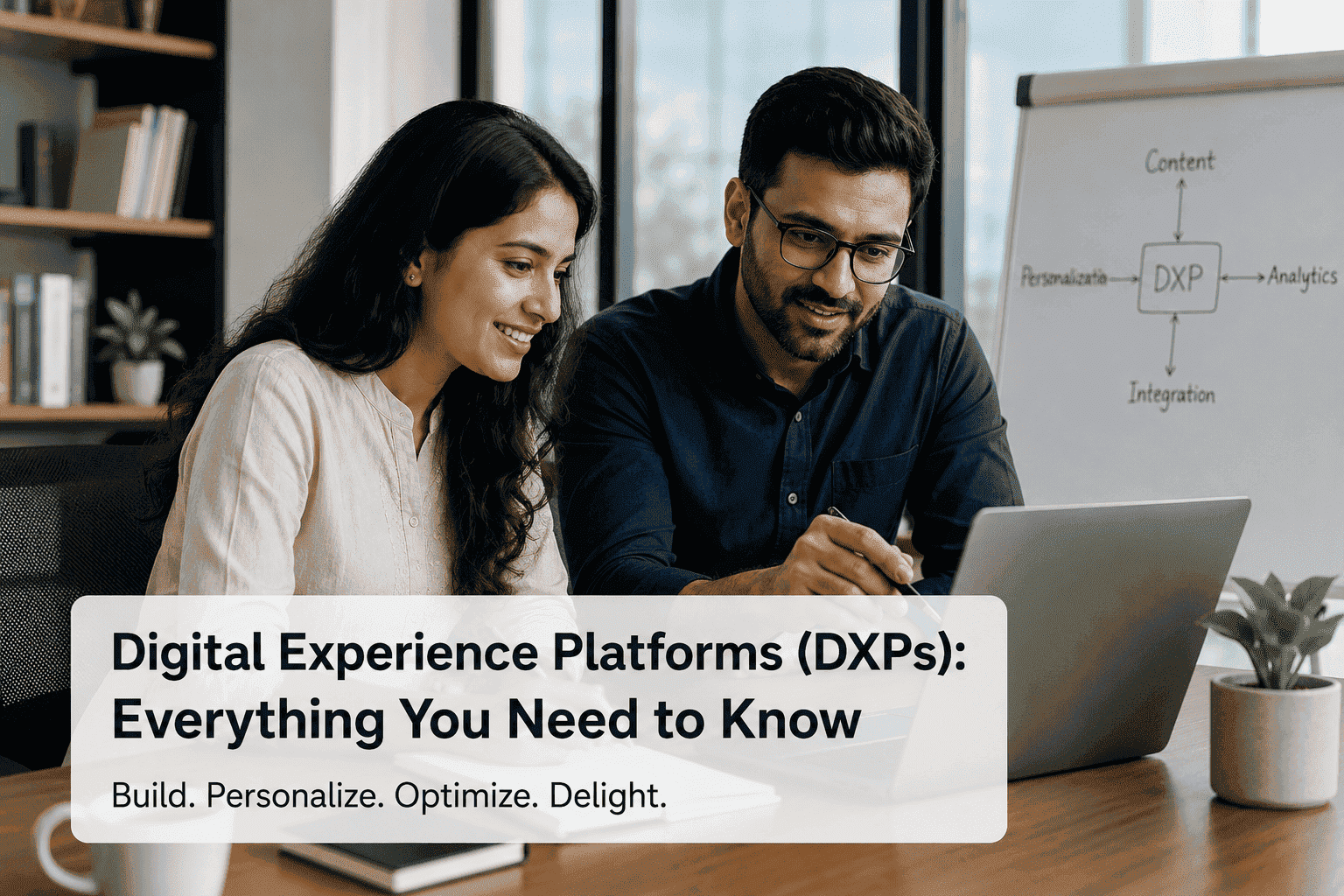
A Digital Experience Platform (DXP) is an integrated software platform that enables businesses to create, manage, deliver, and optimize personalized digital experiences across multiple customer touchpoints.
Unlike a traditional CMS, which focuses primarily on website content management, a DXP combines content management, customer data, personalization, marketing automation, analytics, artificial intelligence, and omnichannel delivery into a single ecosystem.
The primary objective of a DXP is to ensure that every customer receives a consistent, personalized, and engaging experience regardless of the device or channel they use.
A DXP serves as the digital foundation for customer engagement by connecting marketing, sales, customer service, and IT teams through a unified technology platform.
Why Digital Experience Platforms Matter
Digital customers interact with businesses through multiple channels every day.
For example, a customer may:
- Discover a product through Google Search.
- Visit the company website.
- Read educational blog articles.
- Download a whitepaper.
- Subscribe to an email newsletter.
- Receive personalized recommendations.
- Make a purchase using a mobile application.
- Contact customer support through live chat.
Without a centralized platform, these interactions remain disconnected, making personalization difficult.
A DXP connects these touchpoints to create a unified customer journey.
As a result, businesses can:
- Deliver personalized experiences
- Improve customer engagement
- Increase customer retention
- Enhance marketing efficiency
- Improve conversion rates
- Strengthen brand loyalty
Key Components of a Digital Experience Platform
1. Content Management System (CMS)
Content management is the foundation of every Digital Experience Platform.
Businesses use CMS capabilities to:
- Publish web pages
- Create blogs
- Manage landing pages
- Update product information
- Organize digital assets
Unlike traditional CMS platforms, DXP content is designed for omnichannel delivery rather than websites alone.
2. Customer Data Management
Modern DXPs collect customer information from multiple sources, including:
- Website visits
- Mobile applications
- Email campaigns
- CRM systems
- Social media
- Customer support platforms
This creates a unified customer profile that enables personalized experiences.
3. Personalization Engine
One of the biggest advantages of a DXP is personalization.
The platform can display different content depending on:
- Customer location
- Browsing history
- Purchase history
- Industry
- Device type
- Language
- Customer interests
Personalization significantly improves customer engagement.
4. Marketing Automation
Digital Experience Platforms integrate marketing automation to streamline repetitive marketing tasks.
Common automation features include:
- Email campaigns
- Lead nurturing
- Customer onboarding
- Event-based communication
- Personalized recommendations
- Campaign scheduling
Automation allows marketers to focus on strategy rather than manual execution.
5. Analytics and Reporting
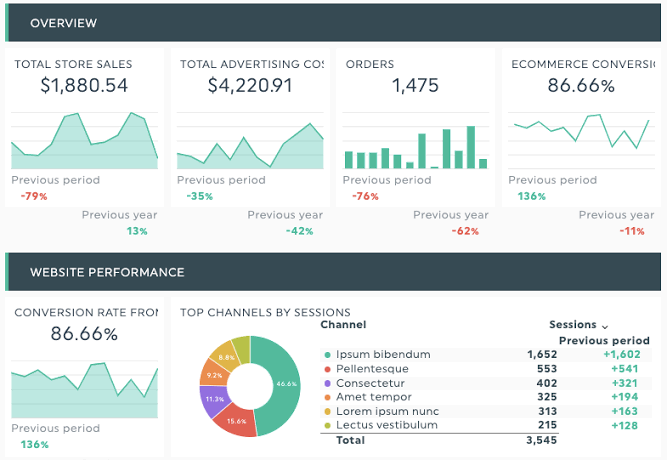
A DXP continuously collects customer interaction data.
Businesses can monitor:
- Website traffic
- Customer engagement
- Bounce rates
- Conversion rates
- Campaign performance
- Customer journeys
- Revenue attribution
These insights support better business decisions.
6. AI and Machine Learning
Modern DXPs increasingly incorporate Artificial Intelligence.
AI capabilities include:
- Smart content recommendations
- Predictive analytics
- Automated content tagging
- Customer segmentation
- Behavioral analysis
- Conversational chatbots
- Predictive personalization
AI enables businesses to deliver highly relevant experiences in real time.
How Does a Digital Experience Platform Work?
A Digital Experience Platform operates by integrating multiple business systems into a centralized ecosystem.
Step 1: Customer Interaction
A visitor interacts with the company through:
- Website
- Mobile app
- Social media
- Online store
Step 2: Data Collection
The DXP gathers customer information from every interaction.
This includes:
- Browsing behavior
- Search queries
- Downloads
- Purchases
- Device information
- Geographic location
Step 3: Customer Profile Creation
The platform combines all available data into a unified customer profile.
This profile continuously updates as customers interact with the business.
Step 4: Personalization
AI and business rules determine which content should be displayed.
Different visitors receive different experiences based on their interests.
Step 5: Omnichannel Delivery
The DXP distributes personalized content across multiple channels simultaneously.
Examples include:
- Websites
- Mobile applications
- Customer portals
- Email campaigns
- Digital kiosks
- eCommerce stores
Step 6: Performance Measurement
Finally, analytics dashboards measure:
- Customer engagement
- Conversions
- Campaign ROI
- Customer satisfaction
- Business performance
These insights help businesses continuously improve digital experiences.
Benefits of Using a Digital Experience Platform
Improved Customer Experience
Customers receive personalized and consistent interactions across every digital touchpoint.
Stronger Customer Engagement
Relevant content encourages visitors to spend more time interacting with your brand.
Better Marketing Efficiency
Automation reduces manual work while improving campaign effectiveness.
Higher Conversion Rates
Personalized experiences increase the likelihood of purchases and lead generation.
Improved Collaboration
Marketing, IT, sales, and customer support teams work together using shared customer insights.
Faster Content Delivery
Businesses can publish and update content across multiple channels from one platform.
Conclusion
Digital Experience Platforms (DXPs) have become a cornerstone of modern marketing technology, enabling businesses to deliver seamless, personalized, and consistent experiences across every digital touchpoint. Unlike traditional content management systems, a DXP combines content management, customer data, analytics, marketing automation, artificial intelligence, and omnichannel delivery into a unified platform. This integration empowers organizations to better understand customer behavior, optimize engagement, and improve overall business performance.
As customer expectations continue to evolve, businesses that invest in a well-planned DXP strategy will be better positioned to create meaningful digital experiences, strengthen customer relationships, and increase long-term loyalty. Whether you’re a growing business or a large enterprise, implementing the right Digital Experience Platform can help streamline operations, enhance collaboration, and drive measurable business growth. By aligning your DXP with your overall Martech strategy and continuously optimizing customer experiences, you can stay competitive in an increasingly digital marketplace.
Frequently Asked Questions
1. What is a Digital Experience Platform (DXP)?
A Digital Experience Platform (DXP) is a technology solution that helps businesses create, manage, and deliver consistent digital experiences across websites, mobile apps, portals, and other digital channels.
2. What are the key features of a DXP?
Common DXP features include content management, personalization, analytics, digital asset management, customer journey management, integrations, and omnichannel experience delivery.
3. How can a DXP benefit a business?
A DXP can help businesses improve customer experiences, personalize interactions, streamline content management, connect marketing technologies, and deliver consistent experiences across digital channels.
4. What is the difference between a CMS and a DXP?
A CMS mainly focuses on creating and managing content, while a DXP provides broader capabilities for delivering personalized and connected digital experiences across multiple customer touchpoints.