








Running an ecommerce business is no longer just about putting products online and waiting for customers to buy. Shoppers today expect quick responses, relevant recommendations, helpful content, and a smooth experience from their first visit to their next purchase.
For ecommerce brands, keeping up with all these expectations manually can become difficult very quickly. This is where ecommerce marketing automation can make a real difference.
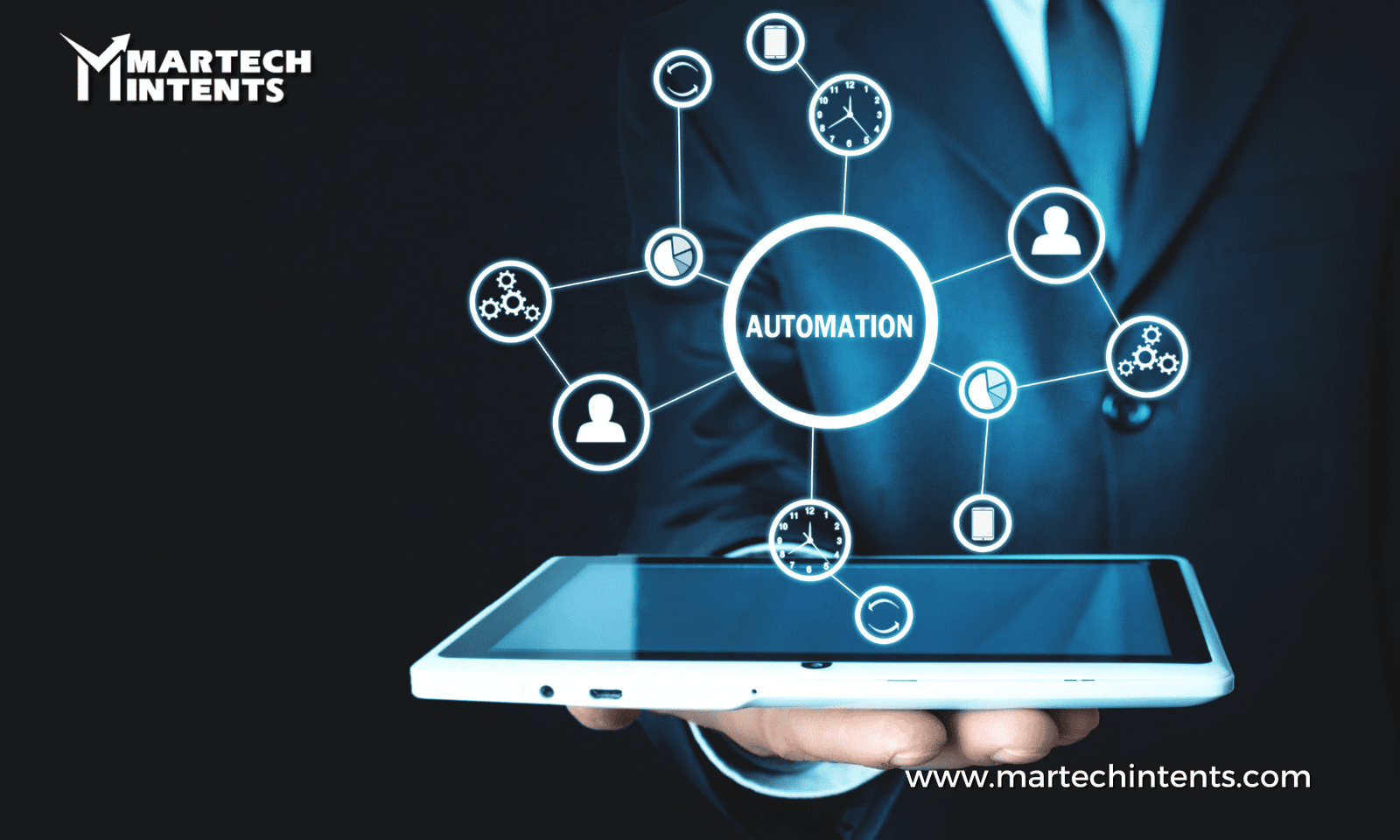
Marketing automation helps businesses handle repetitive marketing activities automatically while still giving customers a personalized experience. Whether it is reminding someone about an abandoned cart, welcoming a new subscriber, recommending a related product, or reconnecting with an inactive customer, automation helps keep the conversation going.
More importantly, it gives marketing teams the ability to grow without having to manually manage every customer interaction.
What Is Ecommerce Marketing Automation?
Ecommerce marketing automation is the use of technology to automatically deliver marketing messages or perform marketing actions based on customer behavior.
Instead of sending the same message to everyone, businesses can create different automated journeys depending on what customers do.
For example, imagine a shopper visits your website, looks at several products, adds one to their cart, and then leaves without purchasing. An automated system can recognize that behavior and send a timely reminder.
The customer may then receive another message with product information, reviews, or a relevant offer.
This process can happen without a marketer having to manually monitor each customer.
The goal is simple: make marketing more timely, relevant, and scalable.
Why Is Marketing Automation Important for Ecommerce?
Ecommerce businesses interact with customers at hundreds or even thousands of different touchpoints. Managing every interaction manually is not practical as the business grows.
Marketing automation helps businesses respond to customer behavior at the right time.
Here are some of the biggest reasons ecommerce brands are adopting automation.
1. It Helps Recover Lost Sales
One of the most common ecommerce problems is cart abandonment.
A shopper may add products to their cart and leave for many reasons. They might get distracted, want to compare prices, or simply forget to complete the purchase.
An automated abandoned-cart campaign gives the business another opportunity to bring that customer back.
For example, a simple sequence could be:
Cart abandoned → Reminder → Helpful product information → Follow-up message
The messaging does not always need to include a discount. Sometimes a simple reminder or answer to a potential concern is enough to encourage the customer to return.
2. It Makes Personalization Easier
Customers do not necessarily want more marketing messages. They want more relevant messages.
Automation makes it easier to personalize communication using information such as:
- Products a customer has viewed
- Previous purchases
- Shopping frequency
- Product preferences
- Email engagement
- Customer lifecycle stage
- Browsing behavior
For instance, someone who recently purchased running shoes may be interested in running socks or fitness accessories.
Instead of promoting unrelated products, an automated system can recommend items that make sense for that particular customer.
That small difference can make marketing feel much more useful.
3. It Saves Valuable Time
Marketing teams spend a lot of time on repetitive activities.
Creating individual follow-up emails, checking customer activity, sending reminders, and updating customer segments manually can quickly become overwhelming.
Automation handles these predictable tasks in the background.
Once a workflow is properly configured, it can continue working whenever the required customer action occurs.
This allows marketers to spend more time on things that require human thinking, such as:
- Campaign strategy
- Creative development
- Customer research
- Brand building
- Testing new ideas
- Improving the overall customer experience
Automation does not replace marketers. It gives them more time to do higher-value work.
4. It Improves Customer Retention
Getting someone to make their first purchase is important, but keeping that customer is just as valuable.
A good ecommerce strategy should continue after checkout.
Automated post-purchase campaigns can help businesses stay connected with customers through:
- Product education
- Review requests
- Related product recommendations
- Reorder reminders
- Loyalty messages
- Helpful tips
- New product announcements
For products that customers regularly need to replace, such as skincare products, supplements, household items, or pet supplies, reorder reminders can be particularly useful.
Instead of waiting for customers to remember the brand, the business can reach out at an appropriate time.
5. It Helps Increase Repeat Purchases
A customer who has already purchased from a brand is often easier to engage than someone who has never interacted with it.
Automation can identify previous buyers and create campaigns specifically for them.
For example:
Previous purchase → Product usage information → Related recommendation → Repeat-purchase reminder
This creates opportunities to increase customer lifetime value without constantly relying on acquiring new shoppers.
6. It Keeps Customers Engaged Between Purchases
Not every customer is ready to buy immediately.
Some people may be researching products, comparing alternatives, or waiting for the right time.
If a brand only contacts customers when it wants to make a sale, the relationship can quickly become transactional.
Automated content can help maintain engagement between purchases.
Depending on the business, this could include:
- Helpful guides
- Product tips
- Educational emails
- New product updates
- Customer stories
- Personalized recommendations
The idea is to provide value instead of filling inboxes with constant promotions.
Important Ecommerce Marketing Automation Workflows
There is no single automation strategy that works for every ecommerce business. The right workflows depend on the products, audience, buying cycle, and customer journey.
However, several workflows are useful for most online stores.
Welcome Email Series
A welcome series is often the first automated interaction with a new subscriber.
Instead of immediately sending promotional messages, businesses can use the series to introduce the brand and help the subscriber understand what makes it different.
A simple sequence might include:
- Welcome and introduction
- Best-selling products
- Customer reviews or useful content
- Relevant product recommendations
- First-purchase incentive, if appropriate
The objective is to build familiarity before pushing too hard for a sale.
Abandoned Cart Campaign
Abandoned-cart automation is designed for customers who have shown purchase intent but left before completing checkout.
A well-written sequence can remind them about their products without sounding overly aggressive.
The first message can simply remind the customer. A later message could address common concerns, provide additional product information, or introduce an incentive where it makes business sense.
Post-Purchase Campaign
The period immediately after a purchase is an important opportunity to strengthen the customer relationship.
An automated post-purchase journey might include:
Purchase confirmation → Shipping information → Product guidance → Review request → Related recommendation
This makes the customer feel supported rather than forgotten after payment.
Re-Engagement Campaign
Some customers gradually stop opening emails or purchasing products.
Instead of removing them immediately, businesses can create a re-engagement campaign.
For example, customers who have been inactive for a certain period could receive:
- A personalized message
- New product recommendations
- Useful content
- A special offer
- A simple reminder of the brand
If customers remain inactive, businesses can reduce communication rather than continuing to send messages they do not want.
Cross-Sell and Upsell Automation
Automation can also help businesses recommend products that naturally complement previous purchases.
For example:
Customer buys a laptop → Recommend accessories
Customer buys a camera → Recommend compatible equipment
Customer buys skincare → Recommend complementary products
The recommendation should make sense from the customer’s perspective. Poorly matched promotions can feel like unnecessary advertising.
How Ecommerce Marketing Automation Supports Business Growth
The real value of automation comes from connecting customer behavior with appropriate marketing actions.
Think about two online stores.
The first store sends the same promotional email to every subscriber.
The second store recognizes whether someone is a new visitor, first-time buyer, repeat customer, or inactive customer and communicates differently with each group.
The second approach gives the business more opportunities to provide relevant experiences.
Automation can support different stages of the customer journey:
New visitor: Educational content and product discovery
New subscriber: Welcome campaign
First-time buyer: Post-purchase communication
Repeat customer: Personalized recommendations and loyalty campaigns
Inactive customer: Re-engagement campaign
This creates a more organized customer journey while reducing the amount of manual work required from the marketing team.
Ecommerce Marketing Automation Is More Than Email
Email is one of the most common forms of ecommerce automation, but it is not the only one.
Modern ecommerce businesses can connect automation with several channels, including:
- SMS
- Push notifications
- Retargeting
- CRM platforms
- Customer support systems
- Advertising platforms
- Loyalty programs
- Website personalization
When these systems work together, businesses can create a more consistent experience across multiple customer touchpoints.
For example, a customer who has already purchased a product may not need to see an advertisement encouraging them to buy the exact same item immediately. Better coordination between marketing systems can help prevent unnecessary or repetitive communication.
How to Create a Successful Automation Strategy
Simply installing an automation platform will not automatically improve ecommerce results.
The strategy behind the automation matters.
Start With the Customer Journey
Before creating workflows, understand how customers interact with your business.
Ask questions such as:
- How do customers discover the brand?
- What causes them to leave without purchasing?
- What happens after checkout?
- When do customers typically purchase again?
- Which customers are becoming inactive?
The answers will help identify the areas where automation can actually provide value.
Choose the Right Workflows
Do not try to automate everything at once.
Start with a few high-impact workflows, such as abandoned carts, welcome emails, and post-purchase campaigns.
Once those workflows are performing well, you can expand your automation strategy.
Use Customer Segmentation
Segmentation makes automation much more useful.
Instead of treating your entire database as one audience, divide customers into meaningful groups based on behavior and preferences.
For example:
- New subscribers
- First-time customers
- Repeat customers
- High-value customers
- Inactive customers
- Product-specific buyers
Different groups can then receive different messages.
Keep the Communication Human
Automation should not make your brand sound robotic.
Write messages the way a real person would communicate. Keep the language natural, focus on the customer’s needs, and avoid sending messages simply because the system allows you to.
Good automation should feel helpful—not mechanical.
Measure and Improve
Every workflow should have a clear purpose and measurable goal.
Depending on the campaign, you may track:
- Conversion rate
- Revenue generated
- Cart recovery rate
- Click-through rate
- Repeat purchase rate
- Customer engagement
- Unsubscribe rate
- Customer lifetime value
Review the results regularly and make changes based on what customers actually do.
Common Ecommerce Marketing Automation Mistakes
Automation can create problems when it is implemented without a clear strategy.
Sending Too Many Messages
Customers can quickly become frustrated when they receive multiple emails, texts, and notifications about the same product.
Set sensible communication limits.
Treating Every Customer the Same
A first-time visitor and a loyal customer have very different needs.
Use segmentation to make communication more relevant.
Automating Poor Content
Automation cannot fix a weak message.
If the content is confusing, overly promotional, or irrelevant, sending it automatically will only increase the number of people who see it.
Ignoring Customer Data
Personalization depends on accurate data.
Incorrect product information, outdated customer details, or poorly configured segments can result in embarrassing marketing mistakes.
Never Reviewing Your Workflows
Customer behavior changes over time.
A workflow that performed well six months ago may not perform the same way today. Regular testing and optimization are essential.
The Future of Ecommerce Marketing Automation
The next stage of ecommerce automation will be increasingly influenced by artificial intelligence and predictive analytics.
Businesses can use AI-powered systems to better understand customer behavior, identify purchasing patterns, personalize recommendations, and determine which customers may be ready to buy.
But technology alone will not create better marketing.
The strongest ecommerce strategies will combine automation with good customer data, thoughtful personalization, useful content, and genuine customer understanding.
The objective is not to send more messages. It is to make every relevant interaction more useful.
Final Thoughts
Ecommerce marketing automation has become an important part of building a scalable online business.
It can help recover abandoned carts, nurture new customers, encourage repeat purchases, improve personalization, and reduce repetitive work for marketing teams.
However, successful automation is not about creating dozens of complicated workflows.
Start with the customer journey. Identify the moments where customers need useful information or a timely reminder. Build simple workflows around those moments, measure the results, and improve them over time.
When automation works quietly in the background while customers receive relevant and helpful communication, ecommerce businesses can create a better experience and build stronger relationships that support sustainable growth.
Frequently Asked Questions
1. What is ecommerce marketing automation?
Ecommerce marketing automation uses software to automatically manage marketing activities based on customer actions, preferences, and purchase behavior. It can handle tasks such as abandoned-cart reminders, welcome emails, product recommendations, and post-purchase communication.
2. How can marketing automation help an ecommerce business grow?
Marketing automation can help ecommerce businesses recover potential sales, personalize customer communication, encourage repeat purchases, and reduce repetitive marketing work. These benefits allow teams to manage customer relationships more efficiently as the business grows.
3. Which ecommerce marketing tasks can be automated?
Common ecommerce tasks that can be automated include welcome campaigns, abandoned-cart messages, post-purchase follow-ups, product recommendations, re-engagement campaigns, reorder reminders, and customer segmentation. Businesses can also connect automation with email, SMS, CRM, advertising, and other marketing channels.
4. How can businesses make ecommerce marketing automation more effective?
Businesses should start by understanding their customer journey and choosing a few high-value workflows. Using accurate customer data, meaningful segmentation, helpful content, and regular performance testing can make automated campaigns more relevant and effective.