






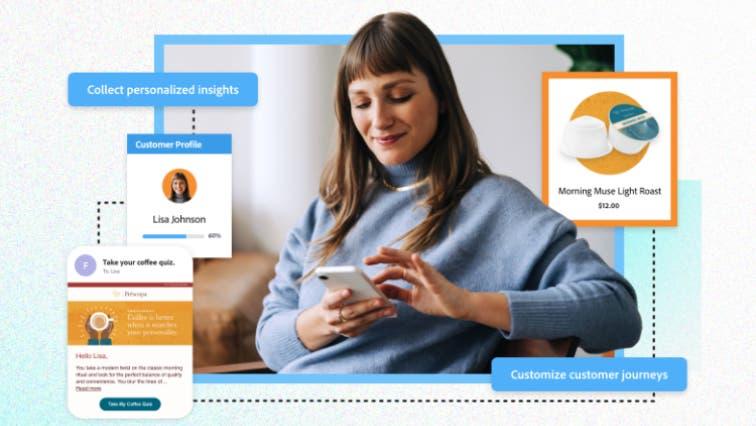
Personalized marketing is designed to make customers feel understood. From product recommendations and customized emails to advertisements based on browsing activity, brands use customer data to deliver more relevant experiences. When done well, personalization can help people discover products, find useful information, and make purchasing decisions more easily.
However, there is a point where personalization stops feeling helpful and starts becoming irritating.
Imagine searching for a pair of shoes online and then seeing advertisements for the same shoes across social media, websites, and mobile apps for the next several days. Even if you were initially interested, repeated reminders can quickly become frustrating. Instead of feeling understood, you may feel that a brand is following your every move.
This experience is known as personalization fatigue. As businesses rely more heavily on customer data and marketing automation, understanding this problem is essential for building stronger customer relationships and creating more respectful digital experiences.
What Is Personalization Fatigue?
Personalization fatigue occurs when customers become tired, uncomfortable, or frustrated with marketing messages that are excessively customized, repetitive, or based on too much personal information.
It can happen when a company sends frequent emails about the same product, displays advertisements repeatedly, or uses customer data in ways that feel intrusive. Even relevant messages can become annoying when they arrive too often or appear across too many channels.
Personalization fatigue does not necessarily mean customers dislike personalized experiences. Many people appreciate recommendations that save time or introduce them to useful products. The problem begins when brands prioritize delivering more personalized messages instead of considering whether those messages are genuinely valuable.
For marketers, the challenge is to make every interaction feel useful rather than making customers feel constantly monitored.
Why Does Personalized Marketing Become Annoying?
Several factors can turn a helpful marketing strategy into an uncomfortable experience.
1. Repeated Advertisements Across Different Platforms
One of the most common causes of personalization fatigue is excessive ad repetition. A customer might visit a product page once and then see advertisements for that product on search engines, social media, news websites, and video platforms.
Although retargeting can remind interested shoppers about products, showing the same advertisement too frequently can create frustration. Customers may lose interest in the product or develop a negative impression of the brand.
2. Too Many Personalized Emails and Notifications
Personalized email campaigns can help businesses share relevant offers, updates, and recommendations. However, sending messages too frequently can overwhelm subscribers.
For example, someone who purchases a laptop may continue receiving daily promotions for laptops, accessories, and related products. If these messages do not match the customer’s current needs, they can feel like unnecessary interruptions.
Over time, customers may ignore the messages, unsubscribe from the mailing list, or mark emails as spam.
3. Personalization That Feels Intrusive
Customers may appreciate recommendations based on their stated preferences, but they can become uncomfortable when brands appear to know too much about their private activities.
For example, an advertisement that references a sensitive personal concern may feel inappropriate, even if it was generated through a company’s marketing system. Customers may question how their information was collected and whether it is being used responsibly.
Brands must recognize that having access to customer data does not automatically mean every possible use of that data is appropriate.
4. Irrelevant or Outdated Recommendations
Personalization systems do not always understand what a customer wants. Someone who has already purchased a product may continue seeing advertisements for it. A person researching a gift may receive recommendations based on interests that belong to the recipient rather than to them.
These mistakes suggest that the business is not paying attention to the customer’s actual situation. When recommendations repeatedly miss the mark, customers may begin to distrust the brand’s marketing efforts.
5. Lack of Control Over Marketing Messages
Customers can become frustrated when they cannot easily manage the advertisements, notifications, or emails they receive. If changing preferences requires several steps or opting out is difficult, personalization can feel imposed rather than helpful.
Giving people clear choices about communication frequency, marketing preferences, and data use can help restore trust.
How Personalization Fatigue Affects Customer Relationships
Personalization fatigue can affect more than the performance of an individual campaign. It can gradually weaken the relationship between a customer and a brand.
Reduced engagement: Customers may stop opening emails, clicking advertisements, or interacting with promotional content when they receive too many messages.
Lower brand trust: Marketing that feels invasive or overly persistent can make customers question a company’s intentions and its handling of personal information.
More unsubscribes and ad avoidance: People may unsubscribe from email lists, mute notifications, use ad-blocking tools, or avoid certain marketing channels altogether.
Weaker customer loyalty: Repeated interruptions can overshadow positive experiences with a brand, making customers more willing to consider competitors.
Wasted marketing resources: Campaigns that generate excessive impressions without meaningful engagement can consume advertising budgets without delivering the expected value.
These outcomes show why effective personalization should be measured by the quality of customer interactions, not simply by the number of targeted messages delivered.
How Businesses Can Prevent Personalization Fatigue
Companies do not need to abandon personalized marketing to address the problem. Instead, they should make personalization more thoughtful, relevant, and respectful.
1. Set Reasonable Frequency Limits
Businesses should establish limits on how often customers see the same advertisement or receive promotional messages. Frequency caps can prevent a single campaign from overwhelming people across digital channels.
For example, a company can limit repeated advertisements for the same product and reduce promotional emails when a subscriber has already received several messages within a short period.
2. Use Customer Data Responsibly
Marketers should collect information for clear purposes and use it in ways that customers reasonably expect. They should avoid unnecessary data collection and treat sensitive information with particular care.
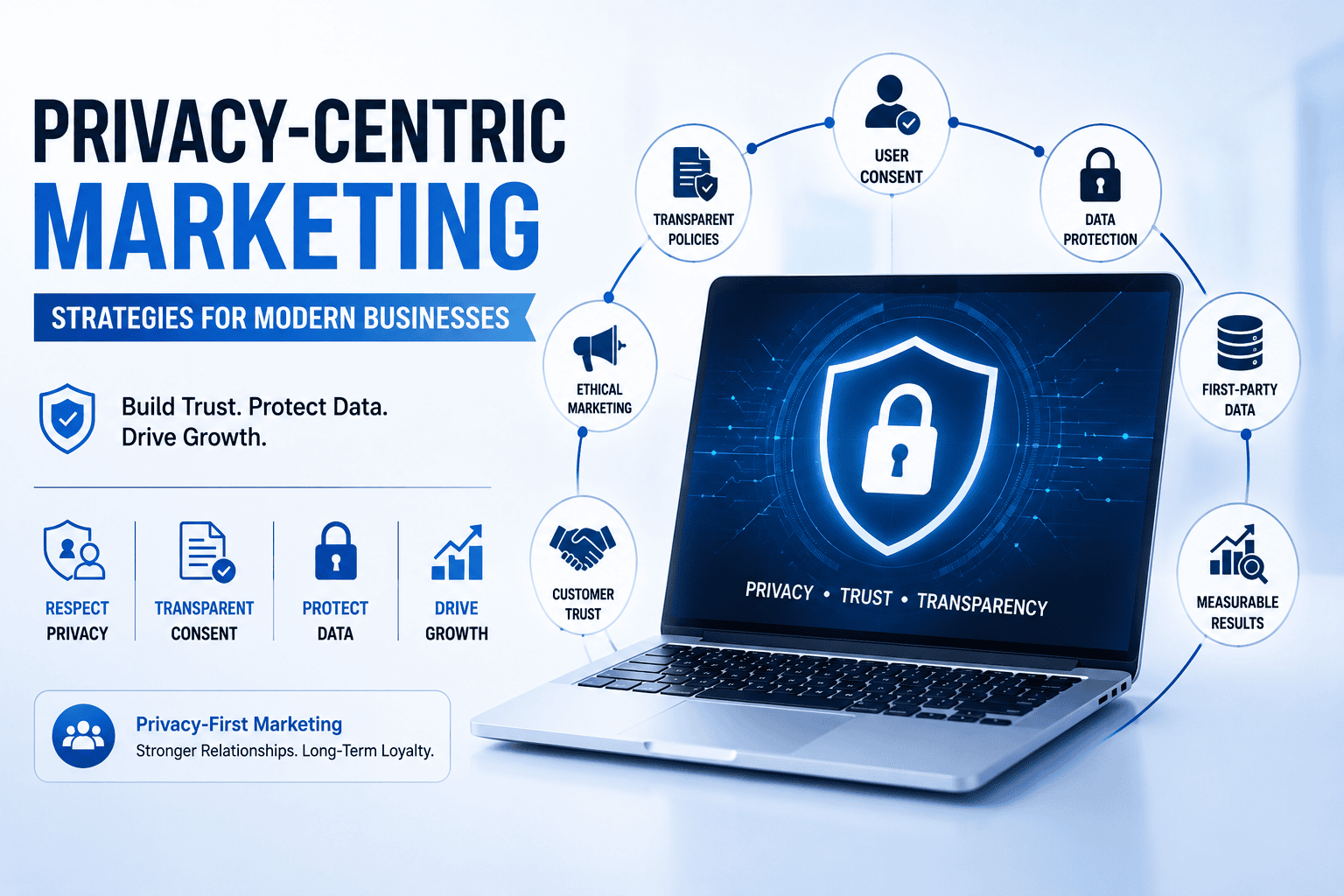
Clear privacy notices, meaningful consent where required, and straightforward preference controls can help customers understand how their information supports marketing activities.
3. Keep Recommendations Updated
Customer interests and purchasing needs change over time. Marketing systems should respond to meaningful actions, such as completed purchases, updated preferences, and recent interactions.
If a customer has already purchased an item, the system can stop showing advertisements encouraging them to buy the same item and instead provide relevant information about maintenance, support, or compatible accessories when appropriate.
4. Coordinate Messages Across Channels
Email, social media, website advertisements, and mobile notifications should not operate as completely separate communication systems.
A coordinated marketing strategy helps teams avoid sending conflicting offers or repeating the same message across every channel. Shared campaign rules and properly maintained customer data can make the overall experience more consistent.
5. Give Customers More Control
Allow customers to select the topics they want to hear about, choose how frequently they receive messages, and change their communication preferences easily.
Businesses should also provide clear unsubscribe options and accessible privacy controls. When customers can shape their own experience, personalization is more likely to feel useful and respectful.
6. Focus on Value Rather Than Volume
Before sending a personalized message, marketers should ask a simple question: Does this interaction offer something useful to the customer?
A helpful product comparison, relevant educational resource, or timely service update may be more valuable than another discount advertisement. Prioritizing genuine value encourages meaningful engagement without overwhelming the audience.
The Role of Marketing Technology in Reducing Personalization Fatigue
Marketing technology can help companies deliver more balanced customer experiences when it is configured around customer needs rather than message volume.
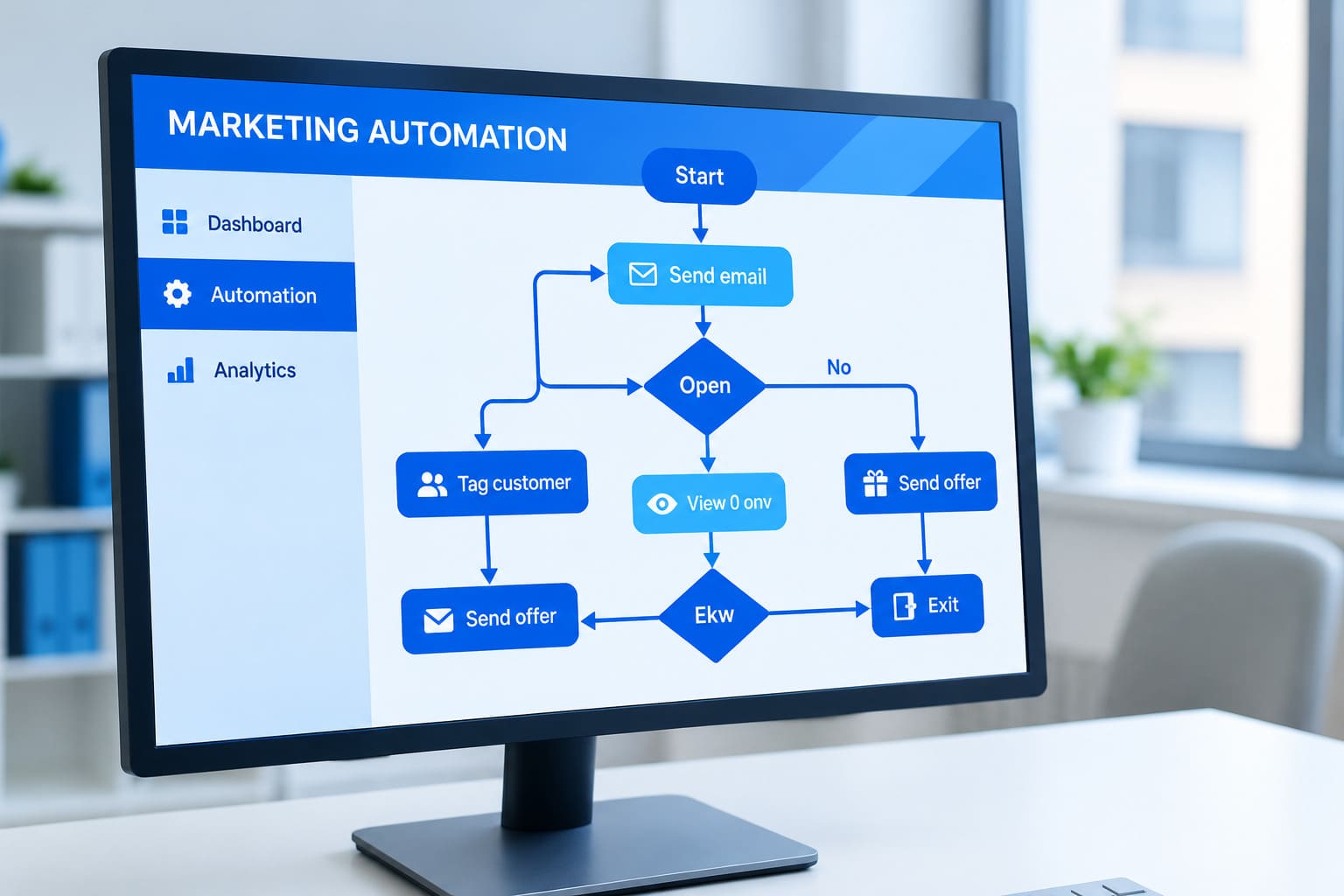
Customer relationship management (CRM) platforms can maintain records of customer interactions and purchases. Marketing automation systems can manage communication schedules and suppress unnecessary follow-ups. Customer data platforms (CDPs) can help unify permitted customer information across different touchpoints.
Analytics tools can also identify warning signs, such as declining email engagement, rising unsubscribe rates, repeated ad exposure, and reduced campaign conversions.
However, technology alone cannot solve personalization fatigue. Poorly designed automation can increase the problem by sending more messages at greater speed. Businesses need clear communication policies, appropriate data governance, and regular monitoring to ensure their systems support customer relationships.
The most effective approach combines useful technology with human judgment. Automated systems should help marketers make better decisions, not simply increase the number of interactions.
How to Measure Personalization Fatigue
Businesses can monitor several indicators to understand whether their personalized marketing is becoming excessive.
- Email unsubscribe rate: A sustained increase may indicate that customers are receiving too many messages or finding them irrelevant.
- Email engagement: Declining open and click activity can signal reduced interest, although tracking limitations mean these metrics should not be used alone.
- Ad frequency and performance: High exposure combined with falling click-through or conversion rates may suggest that advertisements are being shown too often.
- Customer complaints: Feedback about repetitive promotions, intrusive recommendations, or excessive notifications can reveal problems that campaign metrics miss.
- Conversion quality and retention: Businesses should assess whether personalization contributes to meaningful purchases and long-term relationships rather than short-term clicks alone.
No single metric proves that personalization fatigue is occurring. Marketers should examine trends across channels and consider direct customer feedback before making changes.
The Future of Personalization: Relevant, Respectful, and Useful
Personalized marketing will continue to evolve as artificial intelligence, automation, and customer data technologies become more advanced. These tools can help businesses understand customer needs and deliver more relevant experiences, but greater technical capability does not guarantee better communication.
Customers are more likely to appreciate personalization when it saves time, respects their preferences, and provides a clear benefit. They are less likely to welcome it when it creates constant interruptions or raises concerns about privacy.
Future marketing strategies should focus on delivering the right message at the right time, using appropriate information, through a suitable channel. Sometimes, the best decision is not to send a message at all.
For MarTech teams, this means treating customer attention as something valuable rather than something to capture repeatedly. Businesses that balance relevance with restraint can build more sustainable engagement and stronger customer trust.
Conclusion
Personalization fatigue is a growing challenge for businesses that depend on targeted advertising, customer data, and automated communication. Repeated advertisements, excessive emails, intrusive recommendations, and limited customer control can turn an otherwise useful experience into an annoying one.
The solution is not to eliminate personalization but to make it more considerate. By controlling message frequency, respecting privacy, updating customer preferences, coordinating marketing channels, and measuring genuine engagement, businesses can create experiences that feel helpful rather than overwhelming.
Ultimately, successful personalization is not about how much a brand knows about its customers. It is about how responsibly and thoughtfully that knowledge is used.
Frequently Asked Questions
1. What is personalization fatigue?
Personalization fatigue occurs when customers become frustrated with excessive, repetitive, or intrusive marketing messages tailored to their interests and online behavior.
2. What causes personalization fatigue?
Common causes include repeated advertisements, too many promotional emails, irrelevant product recommendations, privacy concerns, and limited control over marketing communications.
3. How can businesses prevent personalization fatigue?
Businesses can reduce personalization fatigue by limiting message frequency, respecting customer privacy, updating preferences, coordinating marketing channels, and sharing useful content.
4. How does personalization fatigue affect customer engagement?
It can reduce email engagement, increase unsubscribes, weaken brand trust, encourage ad avoidance, and make customers less likely to interact with a business.