









Search engine optimization (SEO) has evolved far beyond keywords and backlinks. Today, search engines focus on understanding the meaning and context of web content rather than simply matching search terms. One of the most effective ways to help search engines understand your website is through structured data.
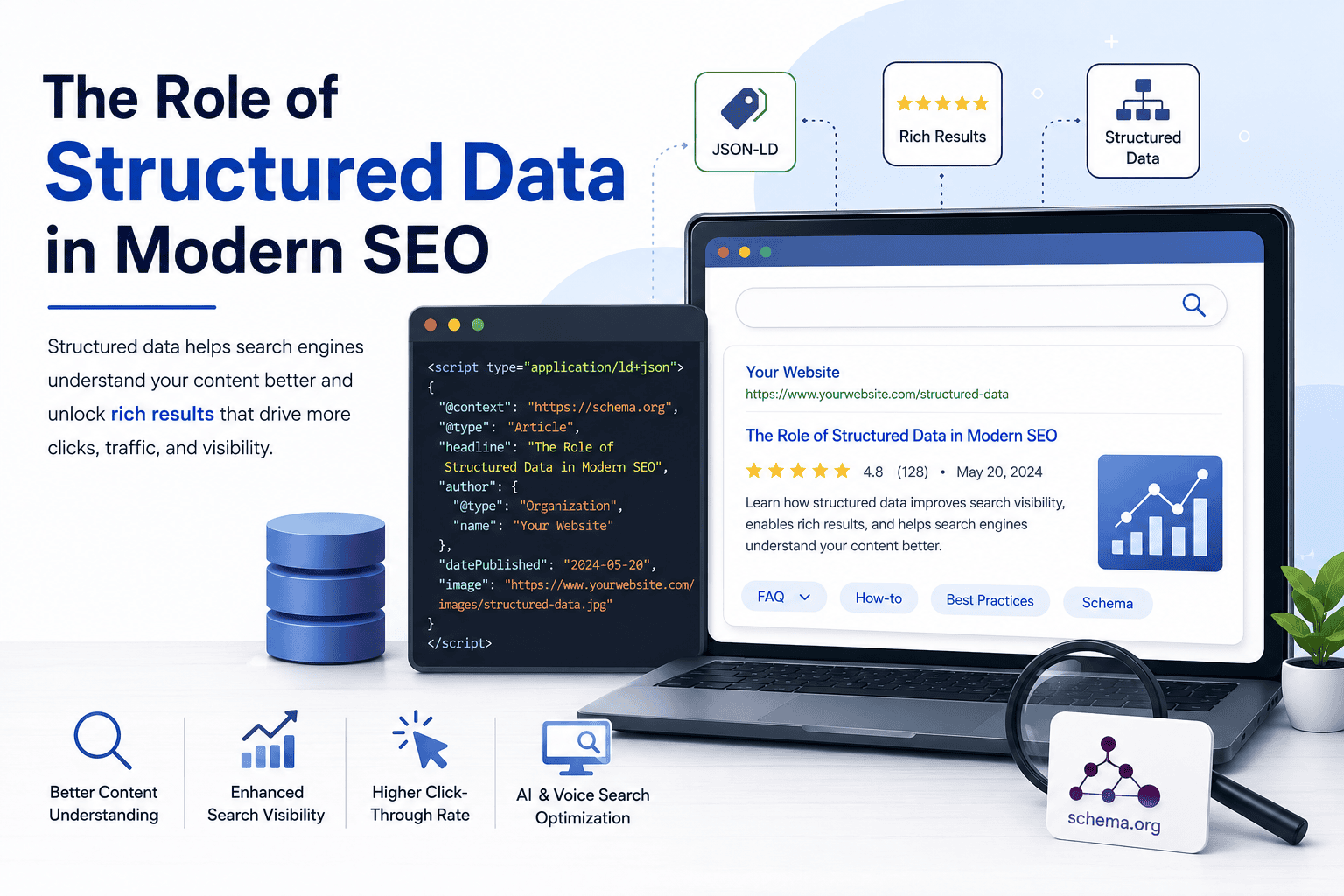
Structured data provides additional information about your pages in a format that search engines can easily interpret. It improves content understanding, enhances search results with rich snippets, and supports emerging search technologies such as AI-powered search experiences.
Whether you manage a business website, an eCommerce store, or a content platform like MarTech Intents, implementing structured data can strengthen your technical SEO strategy and improve your online visibility.
What Is Structured Data?
Structured data is a standardized format used to organize information on a webpage. It uses Schema.org vocabulary to describe content such as:
- Articles
- Organizations
- Products
- FAQs
- Events
- Reviews
- Breadcrumbs
- Videos
- Local Businesses
- People
Search engines like Google, Bing, and Yahoo use this information to better understand the purpose and context of a webpage.
Instead of guessing what your page contains, structured data clearly explains it.
Why Structured Data Matters for Modern SEO
Modern search engines rely heavily on artificial intelligence and machine learning to interpret websites. Structured data helps them process content more accurately.
Key Benefits
Better Content Understanding
Structured data helps search engines identify:
- Page topic
- Author
- Publishing date
- Content type
- Organization information
- Product details
This improves indexing accuracy.
Rich Search Results
One of the biggest advantages of structured data is eligibility for rich results.
Rich results may include:
- Star ratings
- FAQs
- Images
- Breadcrumb navigation
- Product pricing
- Review counts
- Publication dates
These enhanced search listings often attract more user attention than standard blue links.
Improved Click-Through Rate (CTR)
Although structured data is not a direct ranking factor, rich snippets can significantly increase click-through rates.
More visible search listings typically receive:
- Higher engagement
- More qualified traffic
- Better user experience
Higher CTR can indirectly support overall SEO performance.
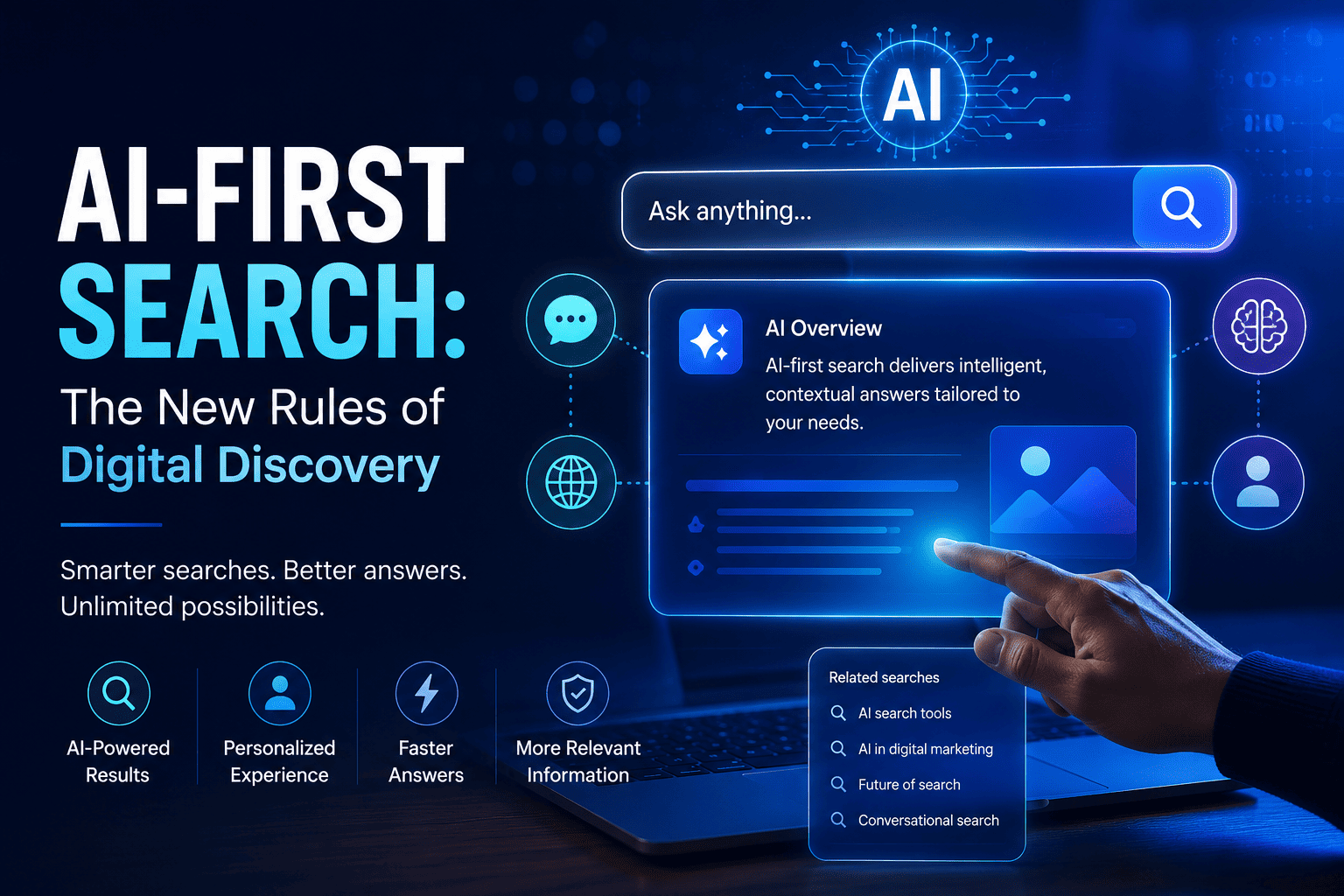
Supports AI-Powered Search
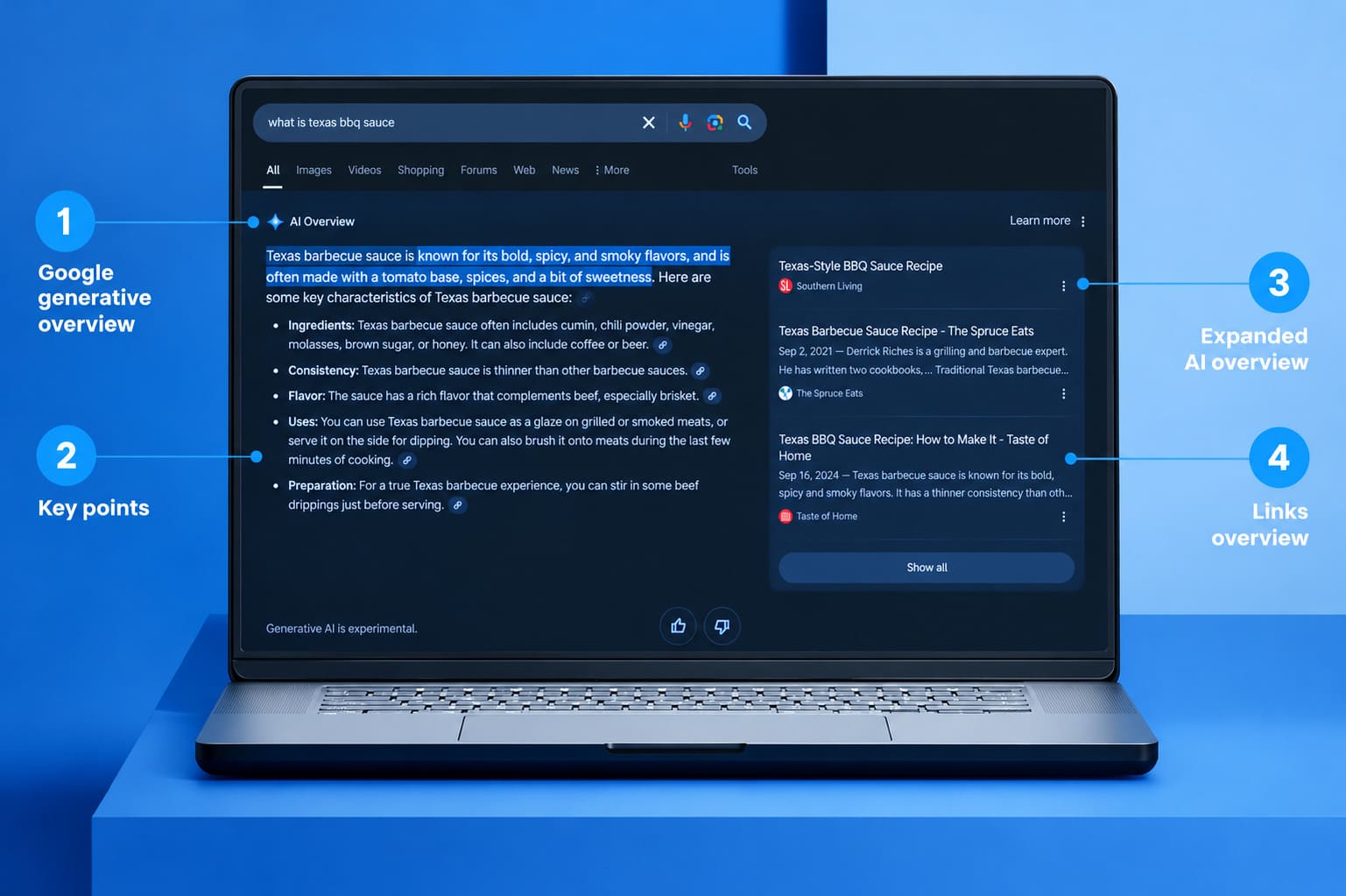
Modern search engines increasingly use AI to generate search experiences.
Structured data helps AI systems understand:
- Entity relationships
- Topic relevance
- Content hierarchy
- Business information
- Expertise signals
This makes structured data an important component of future-ready SEO.
Common Types of Structured Data
Different pages require different schema types.
Article Schema
Ideal for:
- Blog posts
- News articles
- Educational content
Includes:
- Headline
- Author
- Publisher
- Date published
- Featured image
For websites like MarTech Intents, Article Schema is essential for blog content.
Organization Schema
Helps search engines understand your company.
Includes:
- Business name
- Logo
- Website
- Social profiles
- Contact information
This strengthens your brand identity in search.
Breadcrumb Schema
Breadcrumb schema shows page hierarchy.
Example:
Home → Blog → SEO → Structured Data
Benefits include:
- Easier navigation
- Cleaner search appearance
- Better user experience
FAQ Schema
FAQ schema allows search engines to understand common questions and answers.
It works well for:
- Product pages
- Service pages
- Educational blogs
However, use FAQ schema only when the questions genuinely appear on the page.
WebSite Schema
WebSite schema identifies:
- Website name
- Search functionality
- Homepage information
It helps search engines better understand the overall website.
Person Schema
Useful for author pages.
It highlights:
- Author name
- Job title
- Biography
- Expertise
- Website
This supports content credibility.
How Structured Data Helps Technical SEO
Technical SEO focuses on making websites easier for search engines to crawl and understand.
Structured data contributes by improving:
- Content interpretation
- Entity recognition
- Page classification
- Search indexing
- Internal relationships
It complements other technical SEO elements such as:
- XML sitemaps
- Canonical URLs
- Mobile optimization
- Page speed
- Secure HTTPS connections
Best Practices for Implementing Structured Data
Use JSON-LD Format
Google recommends JSON-LD because it is easier to maintain and implement than other formats.
Match Visible Content
Never include information in structured data that users cannot actually see on the page.
Consistency is essential.
Use Appropriate Schema Types
Avoid applying unrelated schema simply to gain visibility.
Use schema that accurately represents your content.
Keep Information Updated
Regularly update:
- Publishing dates
- Business information
- Product availability
- Organization details
Outdated structured data may reduce effectiveness.
Validate Your Schema
Always test structured data before publishing.
Validation helps identify:
- Missing fields
- Incorrect formatting
- Syntax errors
Proper validation ensures search engines can read your markup correctly.
Common Structured Data Mistakes
Many websites lose potential SEO benefits due to implementation errors.
Common mistakes include:
- Using incorrect schema types
- Missing required properties
- Duplicate structured data
- Marking hidden content
- Invalid JSON formatting
- Outdated information
- Applying schema to irrelevant pages
Avoiding these issues helps maintain a healthy technical SEO foundation.
Structured Data and AI Search
AI-driven search experiences continue to evolve.
Large language models and intelligent search systems increasingly rely on structured information to:
- Understand content context
- Identify trusted sources
- Connect related entities
- Generate more accurate answers
Businesses that invest in structured data today are better prepared for the future of AI-powered search.
How MarTech Intents Uses Structured Data Best Practices
At MarTech Intents, we believe technical SEO is as important as high-quality content.
For websites publishing articles about:
- AI Marketing
- Search Engine Optimization
- Marketing Automation
- CRM
- Marketing Analytics
- Customer Experience
- Martech Trends
implementing structured data helps improve content organization, search engine understanding, and overall discoverability. Combined with informative content, a strong site structure, and user-focused optimization, structured data supports long-term organic growth.
Conclusion
Structured data has become an essential part of modern SEO. While it does not directly improve rankings, it helps search engines better understand your content, increases eligibility for rich search results, and enhances the overall search experience.
As search engines continue to adopt AI and semantic understanding, structured data will play an even greater role in helping websites communicate their content effectively. Businesses that implement structured data correctly today will be better positioned to improve visibility, strengthen technical SEO, and remain competitive in the evolving digital landscape.
Frequently Asked Questions (FAQs)
1. What is structured data in SEO?
Structured data is standardized code added to webpages that helps search engines understand the content more accurately using Schema.org vocabulary.
2. Does structured data improve Google rankings?
Structured data is not a direct ranking factor. However, it can improve search visibility through rich results, which may increase click-through rates and organic traffic.
3. Which structured data is best for blog posts?
Article Schema is the most appropriate choice for blog posts. It provides details such as the headline, author, publication date, and featured image.
4. What format should I use for structured data?
JSON-LD is the recommended format because it is easy to implement, maintain, and supported by Google.