










Marketing has become more technology-driven than ever. Businesses today use technology not only to promote their products and services but also to understand customers, improve communication, automate repetitive work, and measure marketing performance.
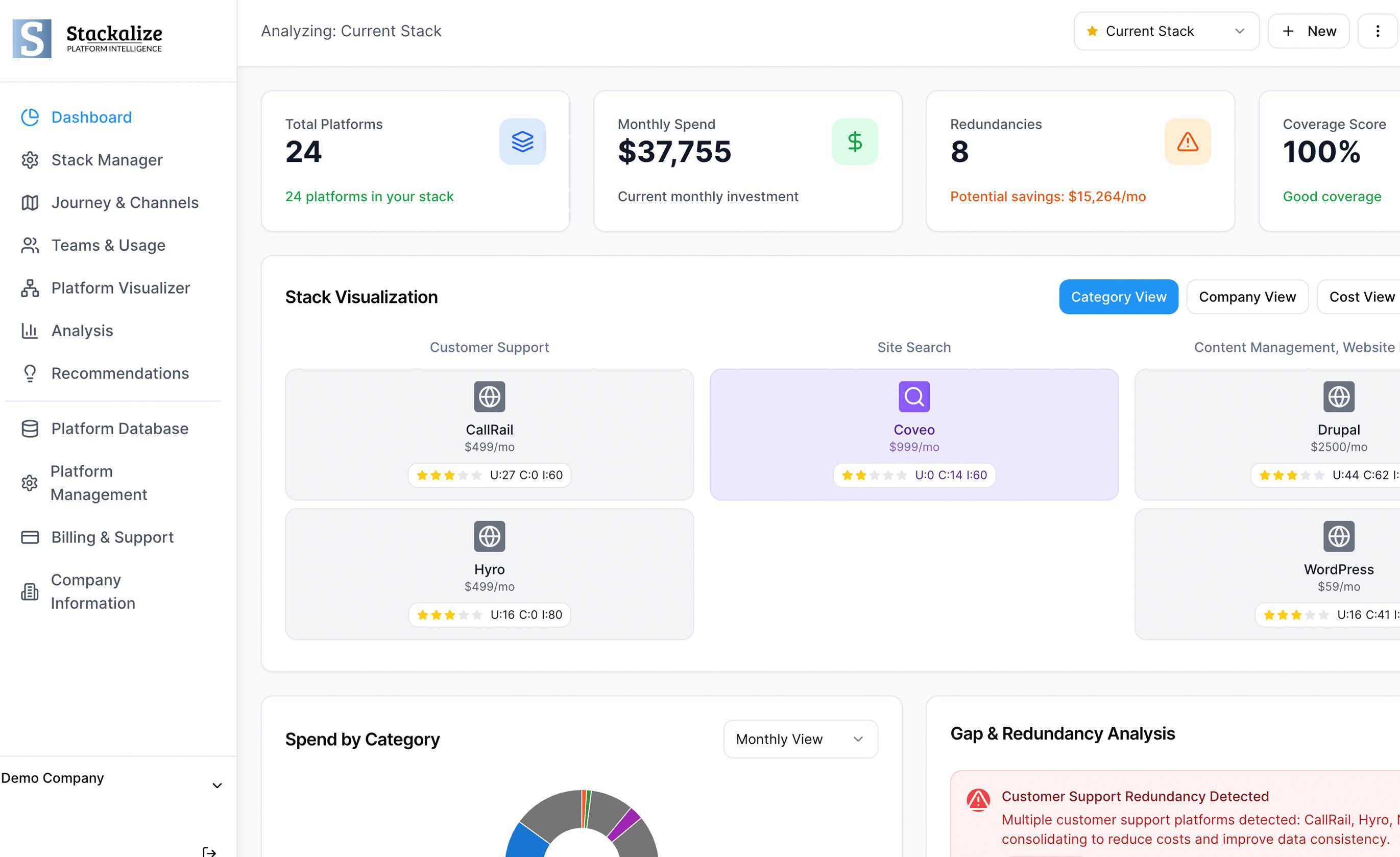
This growing use of technology has created a large and sometimes confusing Martech landscape. New platforms and features appear constantly, making it difficult for businesses to know where they should invest their time and budget.
The answer is not to use every new tool.
A successful Martech strategy is about choosing the right technology for the right business objective. In 2026, artificial intelligence, marketing automation, customer data, personalization, AI-powered search, analytics, and connected customer experiences are among the developments shaping modern marketing.
For businesses, understanding these trends can make it easier to build a Martech strategy that supports long-term growth.
What Is Martech?
Martech is short for marketing technology. It describes the software, platforms, and digital tools businesses use to plan, execute, manage, and measure their marketing activities.
A company’s Martech stack may include CRM software, email marketing platforms, marketing automation tools, analytics solutions, content management systems, advertising platforms, SEO tools, customer data platforms, and AI-powered applications.
When these technologies are properly connected, marketing teams can work more efficiently and gain a clearer understanding of their customers.
The challenge is making sure the technology supports the overall marketing strategy rather than creating unnecessary complexity.
Why Martech Matters for Business Growth
Technology has become an important part of the customer journey.
A customer might discover a company through search, visit its website, download a resource, receive an email, interact with an advertisement, and eventually speak with a sales representative.
Martech can help businesses connect these interactions and understand what customers need at different stages.
A strong Martech strategy can help businesses:
- Improve marketing efficiency
- Generate better-quality leads
- Understand customer behavior
- Personalize communication
- Automate repetitive activities
- Improve customer retention
- Measure campaign performance
- Connect marketing activity with revenue
The key is to focus on business outcomes instead of simply collecting more marketing tools.
1. Artificial Intelligence Is Becoming a Core Marketing Tool
Artificial intelligence is one of the most important developments in Martech.
AI is now being used for tasks that previously required significant amounts of manual work. Marketing teams can use it to analyze customer behavior, identify patterns, generate content ideas, segment audiences, optimize campaigns, and support customer interactions.
AI can be particularly useful for repetitive or data-heavy tasks.
Common applications include:
- Customer segmentation
- Lead scoring
- Content assistance
- Campaign optimization
- Predictive analytics
- Customer support
- Personalization
- Marketing automation
The biggest opportunity is not using AI simply because it is popular. Businesses should identify areas where AI can solve a real problem or improve an existing process.
For example, an organization might use AI to identify high-intent leads instead of asking marketers to manually review every customer interaction.
This makes AI more valuable because it is connected to a specific business objective.
2. AI Agents Are Taking Marketing Automation Further
Marketing automation has traditionally worked through predefined rules.
For example, a customer downloads an ebook and automatically receives a follow-up email. A lead reaches a particular score and the sales team receives a notification.
AI agents can make these workflows more flexible.
Instead of simply following one fixed instruction, an AI-powered system can analyze information, understand context, and recommend or complete the next step within an approved workflow.
This can support activities such as:
- Lead qualification
- Customer follow-ups
- Campaign management
- Audience analysis
- Content recommendations
- Customer-service workflows
AI agents are still developing, so businesses should introduce them carefully. Clear rules, human oversight, data controls, and brand guidelines are important when AI is involved in customer-facing activities.
3. Customer Data Is Becoming the Foundation of Martech
Businesses have access to huge amounts of customer information.
Website visits, email interactions, purchases, customer-service conversations, advertising activity, and social media engagement can all provide useful insights.
The problem is that this information is often stored in different systems.
When data is fragmented, marketing teams may struggle to understand the complete customer journey.
A connected data environment can help businesses create a clearer picture of each customer’s interactions with the brand.
It can help marketers understand:
- What customers are interested in
- How customers interact with the brand
- Which campaigns generate engagement
- Which channels influence conversions
- Where customers leave the buying journey
- Which customers show strong purchase intent
Good Martech starts with good data. If customer information is inaccurate or disconnected, even advanced AI and automation systems can produce poor results.
4. Personalization Is Becoming More Intelligent
Customers are more likely to respond to marketing messages that are relevant to their interests and needs.
Personalization allows businesses to move away from sending exactly the same message to every customer.
For example, an online business can recommend products based on previous browsing or purchase behavior. A B2B company can provide different content depending on whether a visitor is learning about a problem or actively comparing solutions.
AI is making personalization easier to manage at scale.
Businesses can personalize:
- Email campaigns
- Product recommendations
- Website experiences
- Offers
- Content
- Customer journeys
- Follow-up communication
However, effective personalization should feel helpful rather than intrusive.
The goal is not to show customers that the business knows everything about them. The goal is to provide information that is genuinely useful at the right moment.
5. AI-Powered Search Is Changing Brand Discovery
Search behavior is changing as customers increasingly use AI-powered tools and conversational platforms to find information.
Instead of typing a short keyword and opening several websites, people can ask detailed questions and receive summarized answers.
This creates new challenges for marketers.
Businesses need to create content that is useful, trustworthy, clearly structured, and capable of answering real customer questions.
Modern search visibility depends on factors such as:
- Helpful content
- Topical expertise
- Clear organization
- Accurate information
- Original insights
- Strong brand credibility
- Structured content
Traditional SEO remains important, but businesses should also consider how their content can appear in AI-driven discovery experiences.
The focus should be on becoming a useful and trustworthy source rather than simply repeating keywords.
6. First-Party Data Is Becoming More Valuable
First-party data is information a business collects directly from its customers or audience.
Examples include:
- Website interactions
- Email subscriptions
- Purchases
- Account registrations
- Customer preferences
- Feedback
- Loyalty activity
- Product usage
This information can help businesses better understand their existing audiences and create more relevant experiences.
First-party data can also support personalization, segmentation, customer analytics, and marketing automation.
However, businesses should focus on quality rather than simply collecting more information.
Data should be accurate, organized, secure, and collected with appropriate customer permission.
A well-managed first-party data strategy can become a valuable long-term marketing asset.
7. Martech Stack Consolidation Is Becoming Important
Many businesses have accumulated marketing tools over time.
One platform manages email campaigns, another handles CRM, another provides analytics, and additional tools support SEO, advertising, content, and social media.
This can eventually create an overly complicated Martech stack.
A complicated technology environment can result in:
- Higher software costs
- Duplicate customer records
- Integration issues
- Data silos
- Difficult reporting
- Poor tool adoption
- More work for marketing teams
This is why businesses are increasingly reviewing their existing Martech stacks.
The goal should not simply be to remove software. Instead, companies should identify which platforms provide real value and which tools overlap with existing capabilities.
A smaller, well-connected Martech stack can often be more effective than a large collection of disconnected tools.
8. Real-Time Customer Journeys Are Becoming More Important
Customer journeys are rarely predictable.
A potential customer might discover a business through Google, visit the website, download a guide, open an email, return to the website, and contact sales several days later.
If these interactions are stored separately, the business may not understand what the customer is actually interested in.
Modern Martech allows businesses to connect customer interactions and respond to current behavior.
For example, a company could trigger a relevant follow-up when someone:
- Visits a product page
- Downloads a resource
- Opens several emails
- Returns to the website
- Starts a purchase
- Requests information
This creates a more responsive customer journey.
Instead of sending the same message to everyone, businesses can adapt communication based on what customers are doing.
9. Marketing Analytics Is Moving Beyond Basic Reporting
Marketing analytics has traditionally focused on reporting numbers such as traffic, clicks, impressions, and conversions.
These metrics are useful, but businesses increasingly need deeper insights.
Marketing teams want to know not only what happened but also why it happened and what they should do next.
Modern analytics can help identify:
- High-performing customer segments
- Strong-performing channels
- Campaign opportunities
- Conversion problems
- Customer behavior patterns
- Revenue trends
Businesses should also connect marketing metrics with commercial outcomes.
Important measurements can include:
- Conversion rate
- Customer acquisition cost
- Customer lifetime value
- Qualified leads
- Revenue contribution
- Customer retention
- Marketing ROI
When analytics is connected to business results, marketers can make more informed decisions about where to invest their time and budget.
10. Privacy and Data Governance Are Becoming Essential
The more technology businesses use, the more customer information they may collect and process.
This makes privacy and data governance an important part of modern Martech.
Businesses should have clear processes for managing customer information, including:
- Data collection
- Customer consent
- Data security
- User access
- Information storage
- AI usage
- Third-party integrations
- Data retention
Privacy should not be treated as a separate technical issue.
It should be considered when designing customer journeys, implementing AI tools, selecting Martech platforms, and creating personalization strategies.
Businesses that handle customer information responsibly can build stronger trust while reducing unnecessary risks.
11. Omnichannel Marketing Is Becoming More Connected
Customers interact with businesses through multiple channels.
They might discover a brand through search, visit its website, follow its social media account, receive an email, and later contact customer support.
Customers generally do not think about these interactions as separate marketing channels. They experience them as interactions with the same company.
Martech can help businesses create a more consistent experience across these touchpoints.
An effective omnichannel strategy can provide:
- Consistent messaging
- Connected customer information
- Relevant communication
- Better coordination between teams
- Smoother customer experiences
Businesses do not need to be active on every available channel.
They should focus on the channels their customers actually use and make those experiences work together.
12. Human Creativity Remains Important
The growth of AI does not mean that human marketers are becoming unnecessary.
AI can process large amounts of information, automate repetitive work, and help generate ideas.
Humans still bring creativity, empathy, strategic thinking, storytelling, brand understanding, and emotional intelligence.
These qualities are especially important when businesses need to develop a strong brand identity or communicate something meaningful to their customers.
The most effective marketing teams will likely combine technology with human expertise.
AI can help marketers work faster.
People still need to decide what the brand should say, why it matters, and how it should connect with the audience.
How Businesses Can Use Martech Trends for Growth
Understanding Martech trends is only the first step.
Businesses also need to determine which trends are relevant to their own goals.
For example, a company struggling with repetitive marketing tasks may benefit from automation. A business dealing with disconnected customer information may need better data integration. Another organization may need improved analytics to understand why campaigns are not generating enough revenue.
A practical approach starts with the business problem rather than the technology.
Audit the Existing Martech Stack
Review the tools currently being used and identify their purpose, cost, performance, and level of adoption.
Identify Data Problems
Look for duplicate records, missing information, disconnected platforms, and inconsistent customer profiles.
Define Clear Objectives
Decide what the Martech investment should achieve. This could include increasing leads, improving conversions, reducing costs, increasing retention, or improving customer experience.
Start With High-Value Use Cases
Instead of implementing several technologies at once, begin with areas where the potential business impact is clear.
Improve Integration
Connect important marketing, sales, customer-service, and analytics systems so teams can work from more consistent information.
Create Governance Guidelines
Establish clear rules for customer data, AI usage, privacy, security, and human review.
Measure Business Impact
Regularly evaluate whether the technology is improving efficiency, customer experience, conversions, or revenue.
What the Future of Martech Looks Like
Martech is moving toward a more connected and intelligent model.
Artificial intelligence will continue to influence marketing workflows. Automation will take over more repetitive activities. Customer data will become increasingly important for personalization and decision-making. AI-powered search will continue changing how people discover information, while analytics will help marketers understand performance at a deeper level.
At the same time, businesses will need to pay greater attention to privacy, data quality, security, and responsible AI adoption.
The future is not about having the largest Martech stack.
It is about creating a technology ecosystem where different tools work together and support clear business objectives.
Conclusion
The most impactful Martech trends are changing how businesses attract customers, understand their audiences, and create growth opportunities.
Artificial intelligence is making marketing more efficient. AI agents are expanding automation. Connected customer data is improving decision-making. Personalization is helping brands deliver more relevant experiences. AI-powered search is changing discovery, while analytics is helping marketers connect campaigns with measurable results.
At the same time, Martech consolidation, privacy, omnichannel experiences, and human creativity remain important for building a sustainable marketing strategy.
Businesses do not need to adopt every new technology.
They need to identify the technologies that solve their most important problems and integrate those tools into a clear strategy.
Frequently Asked Questions
What are the most important Martech trends in 2026?
The most important Martech trends include artificial intelligence, intelligent automation, customer data integration, personalization, AI-powered search, marketing analytics, and connected customer journeys.
How can Martech help businesses grow?
Martech can help businesses improve marketing efficiency, understand customer behavior, personalize campaigns, generate better-quality leads, increase conversions, and measure marketing performance more effectively.
Why is AI important in Martech?
AI can help marketers analyze customer data, automate repetitive tasks, personalize communication, optimize campaigns, and identify useful patterns. This allows marketing teams to work faster and make better data-driven decisions.
How should businesses choose Martech tools?
Businesses should choose Martech tools based on their marketing goals, customer needs, budget, existing technology, and integration requirements. The right tool should solve a genuine business problem and provide measurable value.